 ASSEDEL
Contents (4)
Education as a Tool for Building a Fairer and More Equal Society
Education plays a fundamental role in people's personal development and in building a fairer and more equal society. Through education, citizens acquire knowledge, develop their abilities and gain opportunities to participate actively in social and professional life. However, education systems face major challenges, including social inequalities, cultural diversity and the need to adapt learning to the changing demands of society.
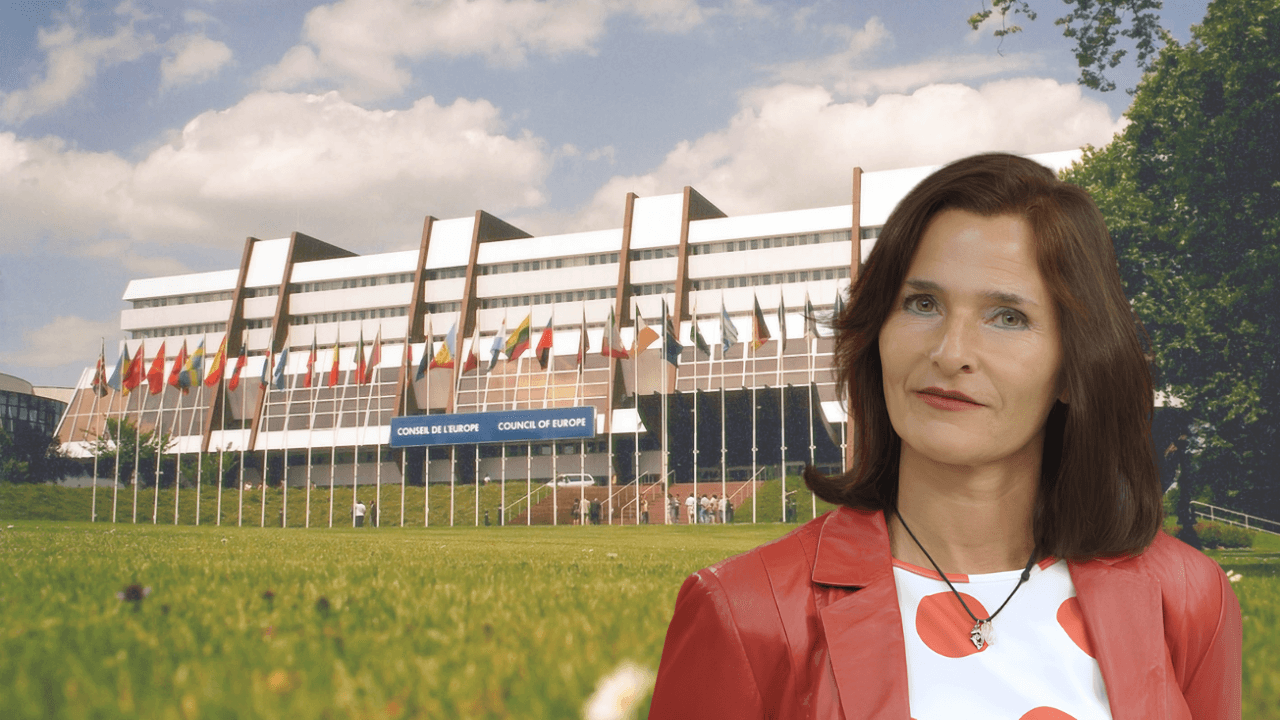
During the latest session of the Parliamentary Assembly of the Council of Europe, we had the pleasure of interviewing Luz Martínez Seijo, a Member of the Spanish Congress of Deputies, a member of the Parliamentary Assembly of the Council of Europe, General Rapporteur on Violence against Women and Coordinator of the Parliamentary Network “Women Free from Violence”. In this interview, based on the document “Entrevista Luz baja calidad.pdf”, she shared her perspective on the intersection of education, human rights and gender equality.
Schools as Drivers of Democracy and Social Equity
For Martínez Seijo, schools should not be limited to the traditional process of teaching and learning. Instead, they are the ideal place to put democracy into practice on a daily basis. This means giving students an active role and providing them with different approaches that encourage cooperation, social interaction and participation in their own educational journey.
Furthermore, the parliamentarian strongly believes that schools are the one place where social differences should disappear completely. Once students walk through the school gates, they should all be equal, regardless of their families' wealth or resources. This diverse environment, free from school segregation, encourages students to live and work alongside people from different backgrounds. It is an essential step towards building truly tolerant and democratic societies.
Educational Adaptation and European Cooperation
School curricula must adapt to the real needs of contemporary society, including the widespread presence of artificial intelligence, moving beyond methods based purely on memorisation. Although education remains primarily a national responsibility, European cooperation provides essential general guidelines and recommendations. The current approach promotes competency-based learning, inclusion and civic education — fundamental principles that the Council of Europe encourages all member states to implement.
Co-education as a Means of Eradicating Gender-Based Violence
There is a strong connection between the education system and the prevention of violence against women. Equality is a principle that must be embedded from early childhood through co-education: girls and boys playing, interacting and learning together as equals.
Gradually, education systems must introduce tools that help young people recognise signs of violence that often go unnoticed at an early age, such as controlling someone's mobile phone. Since it cannot be assumed that these issues will be addressed within the family environment, schools must ensure that young people receive this education.
Martínez Seijo also emphasises a crucial point: it is a serious mistake to believe that gender-based violence is exclusively a women's issue. Actively involving men in this fight is essential to achieving meaningful progress across society.
The Istanbul Convention and the Limits of Cultural Traditions
In her work monitoring implementation and applying political pressure, the parliamentarian warns that, although the Istanbul Convention has been widely implemented, resistance still exists in some European countries. Her strategy involves putting pressure on parliamentarians to urge their governments to ratify this essential convention, reminding them that every minute of delay puts a woman's life at risk.
When confronted with practices justified in the name of cultural tradition, such as female genital mutilation, Martínez Seijo is unequivocal: cultural and religious differences must be respected, but human rights and the rule of law are non-negotiable boundaries. If a cultural belief violates people's well-being and rights, legislation and action are necessary, as such practices constitute a criminal offence.
The protection and consolidation of all these rights and achievements do not rest solely with institutions. As the parliamentarian concludes, parliamentary work would lose much of its meaning and reach without the daily efforts and support of NGOs and civil society organisations, which are indispensable allies in the ongoing defence of human rights.