 ASSEDEL

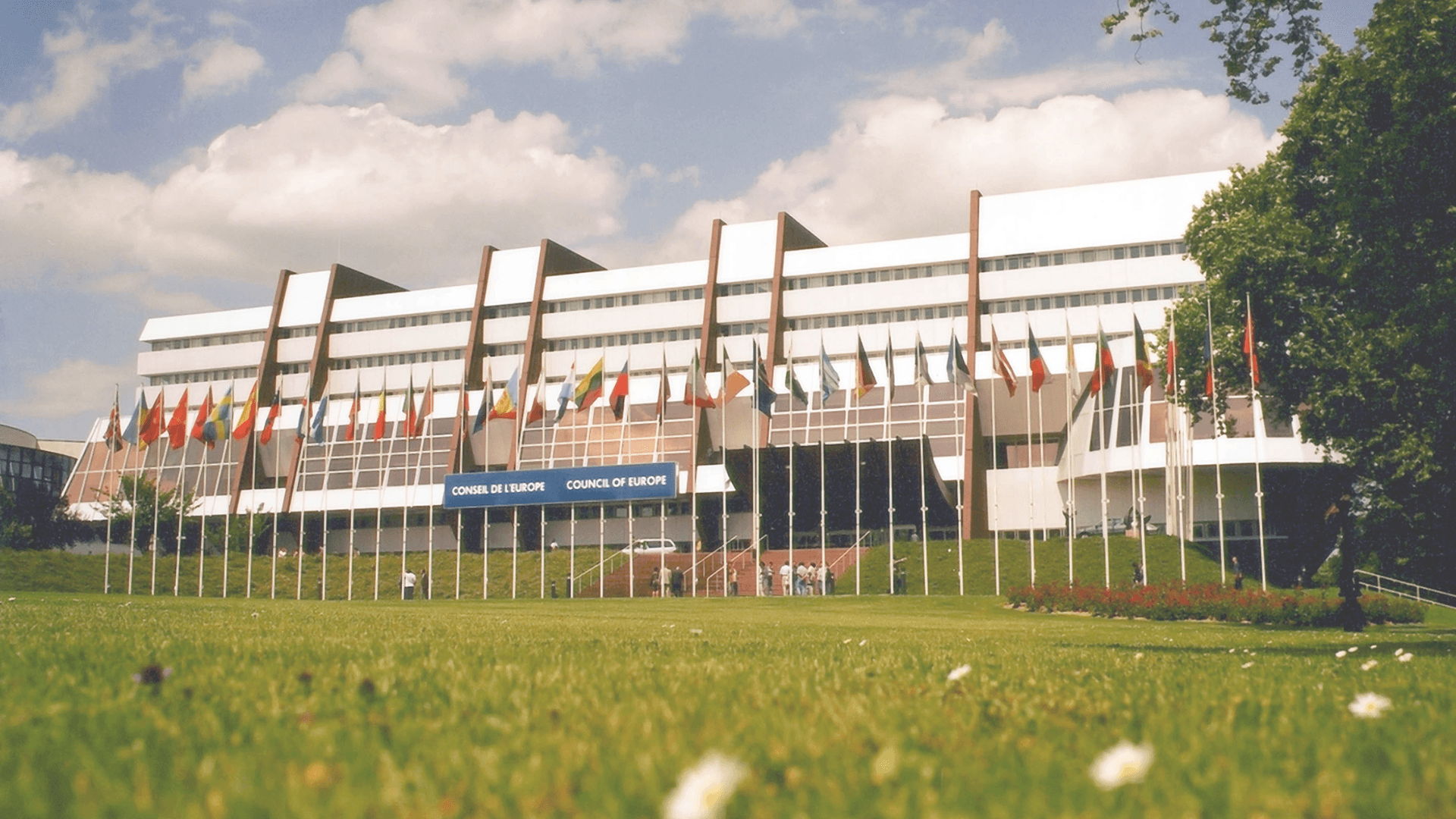
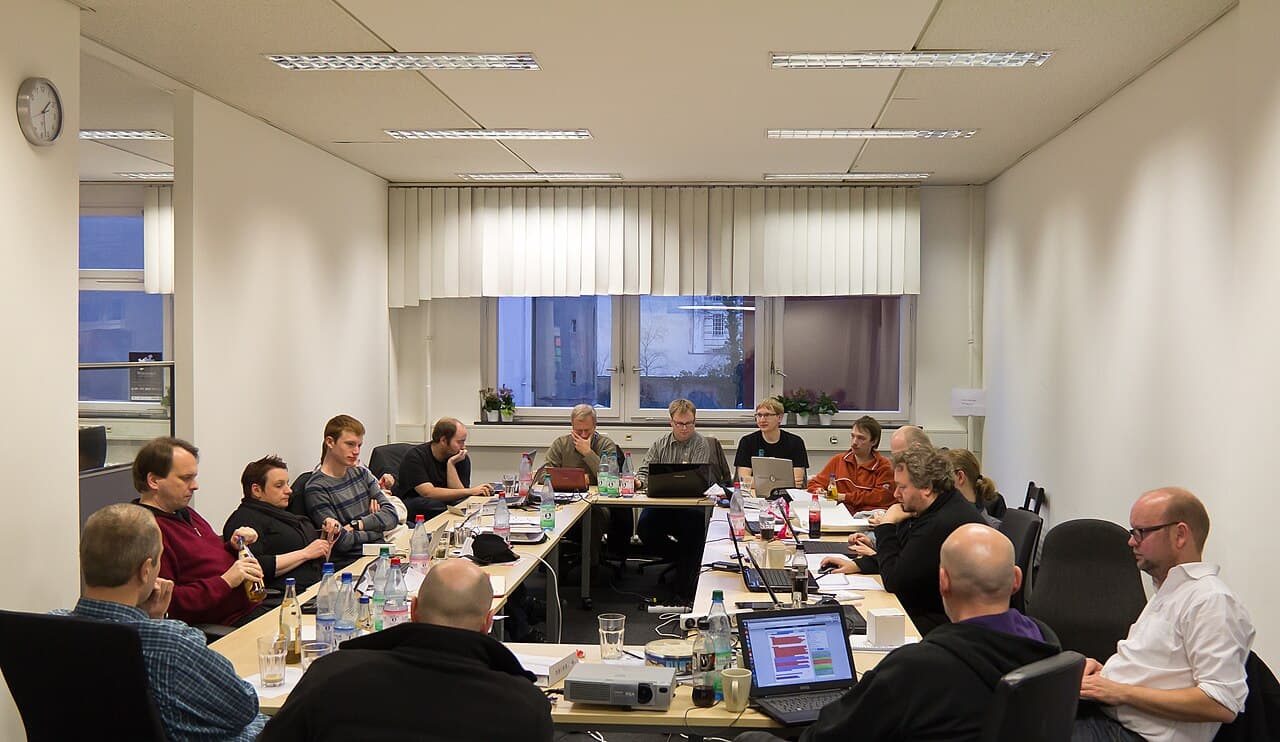
During a recent training session, the ASSEDEL team had the honor of welcoming journalist and communication expert Alun Drake to its office. Drawing on his extensive experience within the Council of Europe (CoE) since 1996, specifically in its television and radio communication sector. Mr. Drake provided an in-depth analysis of the institution's public perception, its operational realities, and the fundamental communication challenges that distinguish it from European Union (EU) bodies.
Mr. Drake explained that the widespread public and media confusion between the Council of Europe and the European Union stems largely from their shared visual and auditory symbols. Both organizations share the blue flag with a circle of twelve golden stars and the European anthem (Beethoven's Ode to Joy). However, Mr. Drake revealed that both symbols were originally created and adopted by the Council of Europe—conceived in the post-WWII era as a democratic bulwark against communism—long before they were subsequently adopted by the EU.
From a structural and conceptual perspective, this shared imagery conceals profound differences in nature and scope. While the European Union functions as a technocratic body centered on economic regulation, borders, the customs union, Schengen, environmental policy, and financial power, acting essentially as "Europe's wallet", the Council of Europe serves as "Europe's conscience". Rather than managing markets, the CoE focuses on core values and standardizing how member states treat human beings. As Mr. Drake vividly summarized: “The CoE is like a department store where we do a lot of different things at the same time, all having in common how we treat each other as human beings.”
These diverging missions are directly reflected in their financial and socio-economic frameworks. On a financial level, the Council of Europe operates on a budget that is drastically smaller than that of the EU; while the EU budget is generated through broad economic activity across its member states, the CoE’s budget relies strictly on direct contributions from the Foreign Affairs Ministries of its member states. Furthermore, the CoE encompasses much greater socio-economic disparities, with its poorest member countries registering a per capita income significantly lower than that of the least wealthy EU nations.
Geopolitically and culturally, the Council of Europe spans a far broader and more complex reality than the EU. In terms of religious diversity, while the EU is predominantly Catholic and Protestant, the CoE includes Muslim-majority member states (such as Turkey, Albania, and Azerbaijan) as well as a historically strong Eastern Orthodox presence, which reconfigured following Russia's departure. Moreover, unlike EU members, many CoE states suffer from unresolved conflicts and a lack of control over their own territorial integrity, such as Georgia, Moldavia (Transnistria), Serbia (Kosovo), Cyprus, and Ukraine. This complex landscape creates severe implementation challenges, with countries like Turkey and Azerbaijan lagging significantly in putting Council resolutions and standards into practice.
Concluding the session with insights into cases brought before the European Court of Human Rights (ECHR), Mr. Drake highlighted three indispensable principles of human rights advocacy: fundamental human rights are universal and belong to everyone regardless of whether they are considered "good or bad"; human rights cannot be placed in conflict with one another; and human rights are not exclusive privileges reserved for Europeans, but universal values for all humanity.