 ASSEDEL
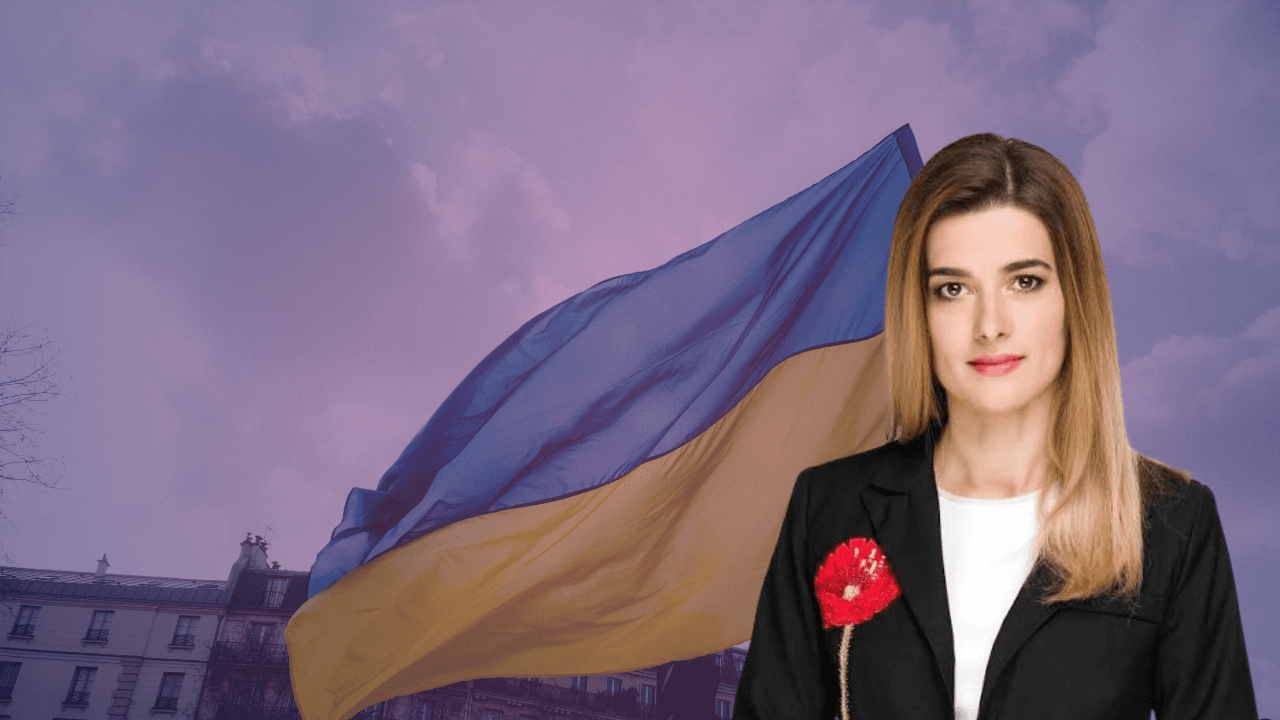
Artificial intelligence has long been part of our lives. The task now, in the words of Ukrainian MP Larysa Bilozir, is to make technology work for humans, not the other way around. As AI reshapes employment, public services and government decision-making, the defining question is not only what it can do, but whether it protects people’s rights, dignity and equal access to opportunity. The answer depends on one principle above all: AI should assist human judgment, never replace it.
This article draws on questions prepared by ASSEDEL, an organisation that promotes informed public discussion about technology, human rights and social development, and on an interview Bilozir gave to the media of the Parliamentary Assembly of the Council of Europe (PACE). The interview came on the eve of her report from the Committee on Migration, a draft conclusion on the role of the OECD in assessing the impact of artificial intelligence on the future of work. In it, she and journalist Nayan Dubey discussed the main findings of her report.
AI and the Future of Work
Will AI create new jobs, or simply destroy existing ones? Bilozir’s answer is that it will not only destroy jobs but also create new ones. The harder question is who will be able to move into the new positions. Her conclusion is that retraining and access to new skills must be an integral part of the transformation, not an afterthought.
The discussion went beyond how AI changes employment, professions and the requirements placed on employees. It also asked who will have access to the new opportunities this creates.
For Ukraine, this is also a question of future recovery. Digital technologies, new professions and new skills can become one of the keys to rebuilding and modernising the Ukrainian labour market after the destruction of war.
Migrants, Refugees and Displaced People
Bilozir stresses that migrants, refugees and forcibly displaced people are particularly vulnerable in an AI-driven labour market. Automated systems can quietly work against them:
- The algorithm may not recognise a foreign degree.
- It may not count professional experience gained in another country.
- It may treat a career break caused by war as a disadvantage.
The consequence is stark. A Ukrainian engineer or nurse can be rejected by the system before a human being has ever seen their CV. For people who have already lost so much, an unexplained automated rejection can mean lost income and lost opportunity, at the very moment they are trying to rebuild their lives.
This is why her report, produced within the Council of Europe’s Committee on Migration, treats AI and the future of work as a human rights issue as well as an economic one. Technology that screens out displaced people unseen undermines the equal access to opportunity that a fair digital society promises.
Why a Human Must Stay in the Loop?
Decisions with a serious impact on a person, Bilozir argues, cannot be left solely to an algorithm. This is the “human in the loop” principle: a real person must remain involved in, and accountable for, any automated process that significantly affects someone’s life, especially where employment, income, public assistance or legal status is at stake.
AI is a powerful tool for processing information, spotting patterns and speeding up routine work. But it cannot weigh personal context, show compassion or take responsibility. It can reproduce hidden biases and make errors that nobody notices until real harm is done.
Her call, and the safeguards that follow from it, are clear:
- Human supervision: a trained person reviews and can override decisions with serious consequences.
- Regular audits: systems are routinely checked for discrimination.
- Clear rules for human rights protection: legal frameworks that set firm boundaries on how automated systems may be used.
- Transparency and the right to challenge: people should know when AI is involved and be able to have an automated decision reconsidered by a human.
Human oversight is not a rejection of innovation. It keeps technology accountable to the people it serves and ensures mistakes can be questioned and corrected.
Human Rights as Digital Rights
In a digital society, human rights must be understood as digital rights. Privacy, equality, freedom of expression, access to public services, non-discrimination and human dignity must remain protected when decisions are made through software, and they must apply to everyone, including those who are new to a country or far from home.
Digital systems should be built for people, not in ways that force people to serve the system. A person’s rights, dignity and access to state support must always outweigh the output of an algorithm.
Ukraine’s Digital Experience
Ukraine already has its own unique experience. The Diia app, digital public services and the preservation of public records during the war show how technology can ensure the resilience of the state even when physical infrastructure is damaged.
In recovery, AI can help strengthen public administration, improve services and open new economic opportunities. But progress must be matched by legal protections, democratic oversight and equal access, with people, not machines, holding final responsibility.
A Shared Responsibility
The questions raised by ASSEDEL and addressed in Bilozir’s report point to a central concern: who will benefit from artificial intelligence, and who might be left behind?
Watch the interview video on YouTube: