 ASSEDEL
Contents (1)
Turkey from 2002 to 2026: The Evolution of Power
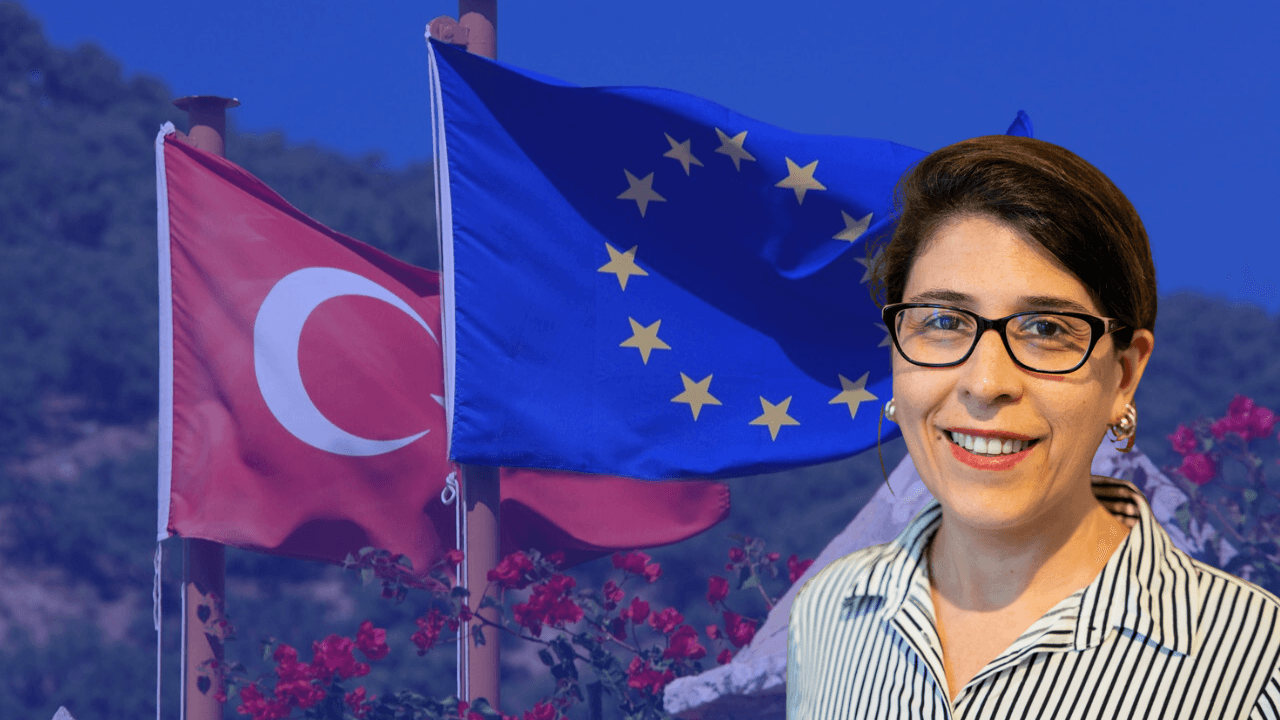
During a roundtable discussion led by Pelin Ayan Musil, Turkey's political evolution over the past twenty-five years was examined. Analyzing this period means observing a process of autocratization: a de facto decline of democratic institutions where elections continue to take place, yet under increasingly uneven conditions. We are in the realm of competitive authoritarianism, where the opposition can still win at the ballot box despite facing a ruling party that dominates the media and uses state resources for its own campaign.
This trajectory is divided into four main phases.
1. Reforms and the Rise of the AKP (2002–2007)
Buoyed by an aura of victimhood at the hands of the secular establishment—having been imprisoned in 1999 for reciting a poem—Recep Tayyip Erdoğan led the AKP to power in 2002. In its early years, the government promoted pro-European reforms that expanded civil rights and curtailed the military's political weight, attracting religious conservatives, liberals, and Kurdish voters. In 2007, an online warning from the military (e-memorandum) against Abdullah Gül’s presidential candidacy backfired: it fueled Erdoğan's victimhood narrative and propelled the AKP from 34% to 47% of the vote.
2. Institutional Clashes and Protests (2007–2015)
The conflict shifted to the courts: in 2008, the AKP narrowly escaped dissolution by a single vote, while the Ergenekon and Sledgehammer trials sidelined top military brass. The 2010 constitutional referendum limited military justice but paved the way for political influence over the judiciary. Meanwhile, in 2013, the Gezi Park protests turned an urban development dispute in Istanbul into a nationwide mobilization, pushing the main opposition party, the CHP, to seek broader dialogue with civil society.
3. The Presidential Turn (2015–2018)
In June 2015, the AKP lost its absolute majority for the first time following the parliamentary entry of the pro-Kurdish HDP. After the collapse of the Kurdish peace process, Erdoğan adopted a nationalist stance, drew voters away from the MHP, and regained his majority in the November snap elections. The failed coup of July 2016 and the subsequent state of emergency accelerated the verticalization of power: allied with the MHP, Erdoğan secured through the 2017 referendum the creation of a presidential republic (effective in 2018) that concentrated vast powers in his hands.
4. Contestation and Renewed Repression (2019–2026)
Despite the use of public resources, media control, and the removal of numerous Kurdish mayors, the opposition managed to contest power: in 2019, Ekrem İmamoğlu (CHP) won Istanbul twice after the first vote was annulled; in 2023, Erdoğan won the presidential runoff with 52.2% against Kemal Kılıçdaroğlu; and in 2024, the CHP emerged as the leading party in local elections.
These successes were followed by a harsh crackdown: in March 2025, İmamoğlu was arrested pending trial, sparking student protests and economic boycotts lasting until July. Finally, in May 2026, a court ruling invalidated the CHP's 2023 congress, returning Kılıçdaroğlu to the party leadership.
ASSEDEL wishes to sincerely thank researcher Pelin Ayan Musil for her time, availability, and for sharing her invaluable analysis during this roundtable discussion. Her in-depth insight on this topic is vital in strengthening our daily commitment to defending human rights and democratic values.