 ASSEDEL

Contents (3)
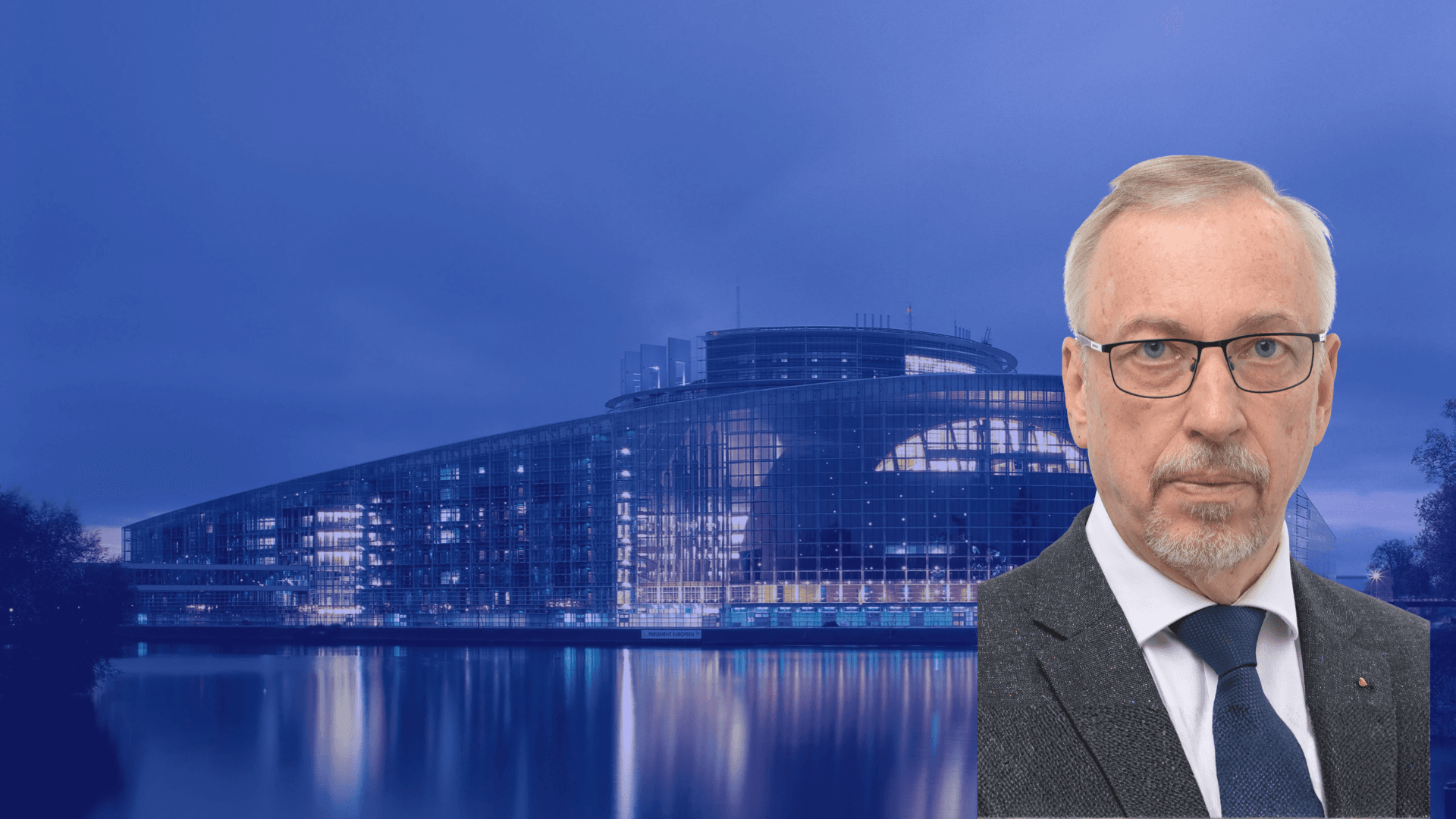
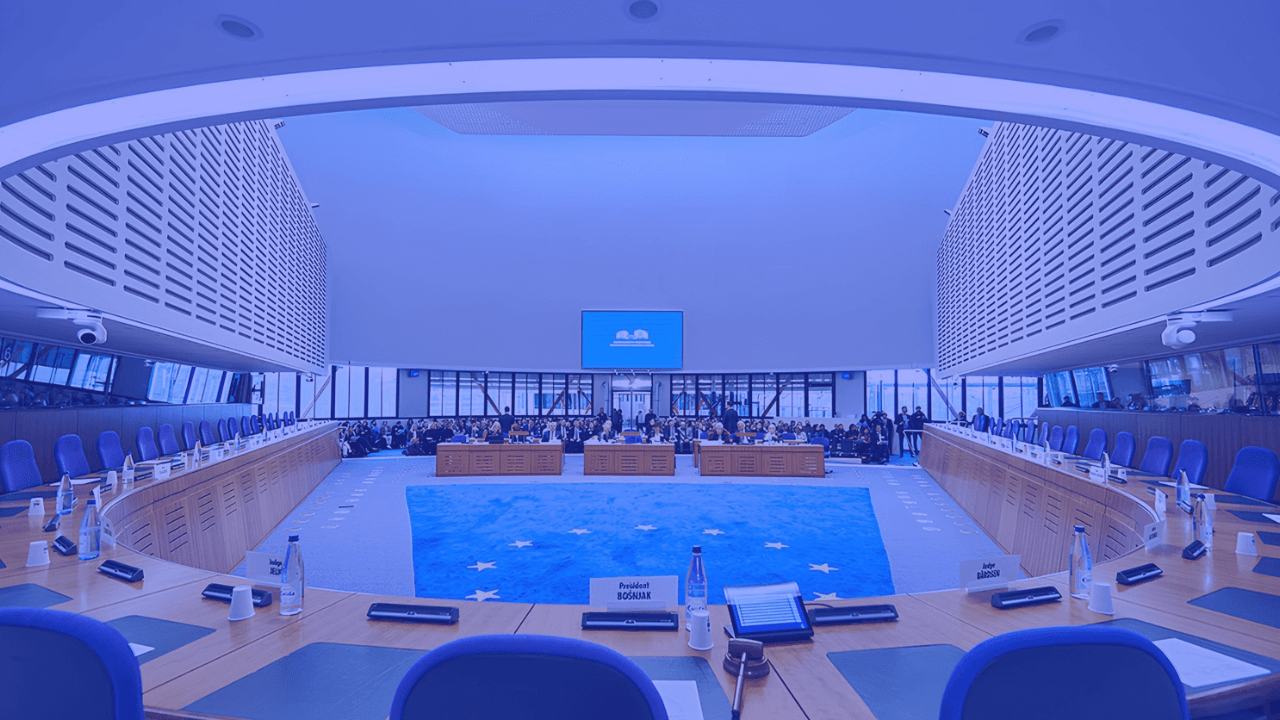
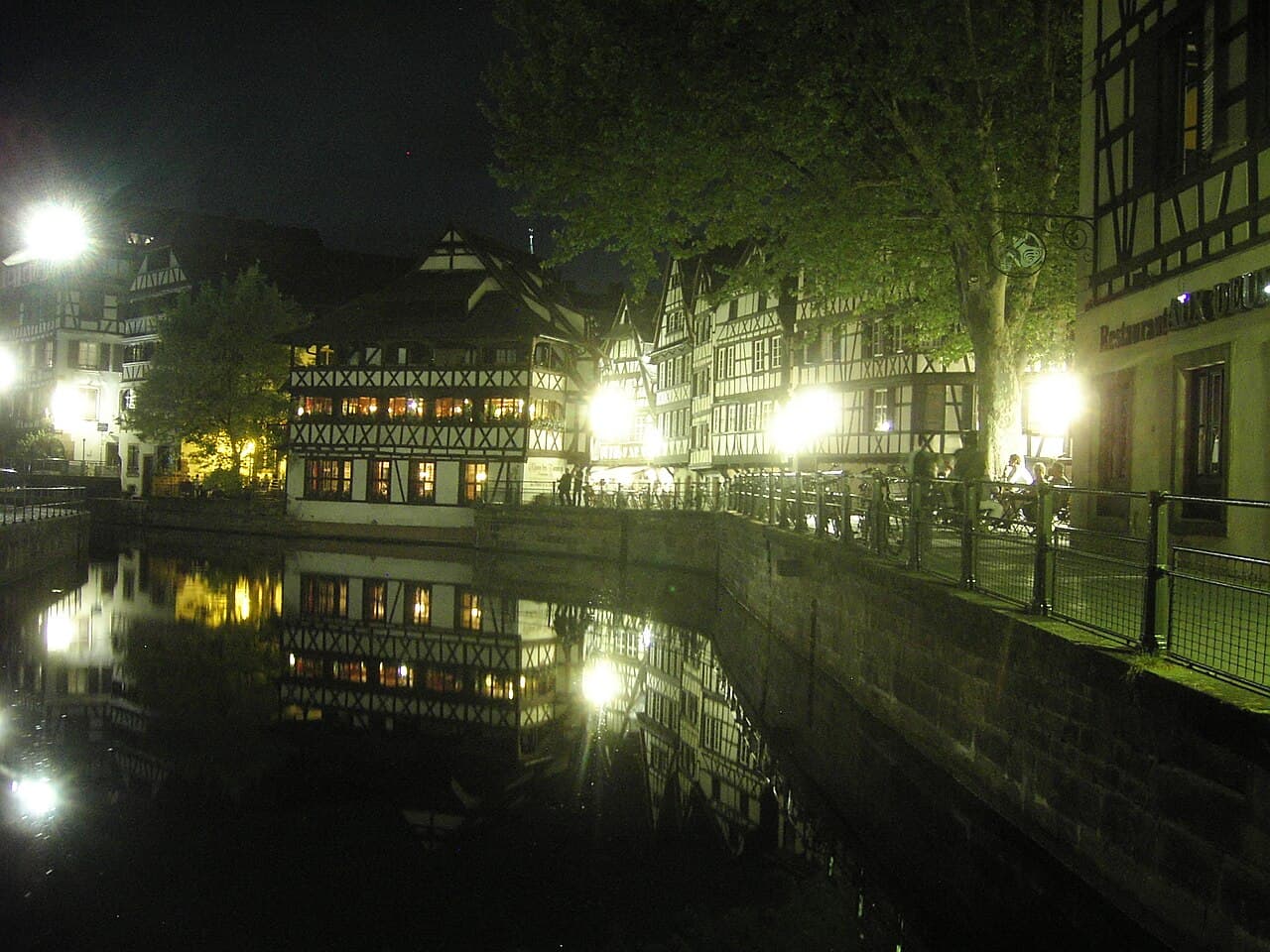
Strasbourg occupies a unique place in European institutional life. Home to the Council of Europe and to different institutions of the European Union, the city hosts bodies whose work shapes the protection of human rights, democracy and the rule of law across the continent. Yet for many young people, including those who study and live in the city, these institutions remain difficult to access. Their mandates may be known in general terms, but their working methods, and the respective roles of their various bodies and departments, seldom are.
This distance has consequences. Meaningful engagement with human rights in Europe presupposes an understanding of how its institutions operate. When young people have no opportunity to observe that work at close range, the institutions risk appearing remote, and the opportunities they offer, whether for professional development or for civic engagement, risk going unexplored.
Beyond Acronyms and Organigrams
Formal events provide a valuable understanding of institutional priorities and policy developments. The practical dimensions of institutional work, however, and the professional realities of those who carry it out, often remain out of view. Opportunities to gain such insight are limited, particularly for students and young professionals at the start of their careers. Direct exchanges with practitioners can offer precisely this: a closer look at the day-to-day work of European institutions, the challenges it entails, and the professional paths of those working within them. ASSEDEL's Open Library was established to address this gap. The initiative pursues three objectives: to deepen participants' understanding of the Council of Europe and the respective roles of its bodies; to provide first-hand insight into the professional realities of those who work within them; and to foster sustained dialogue between institutional practitioners and younger generations.
Three Rooms, Five Perspectives
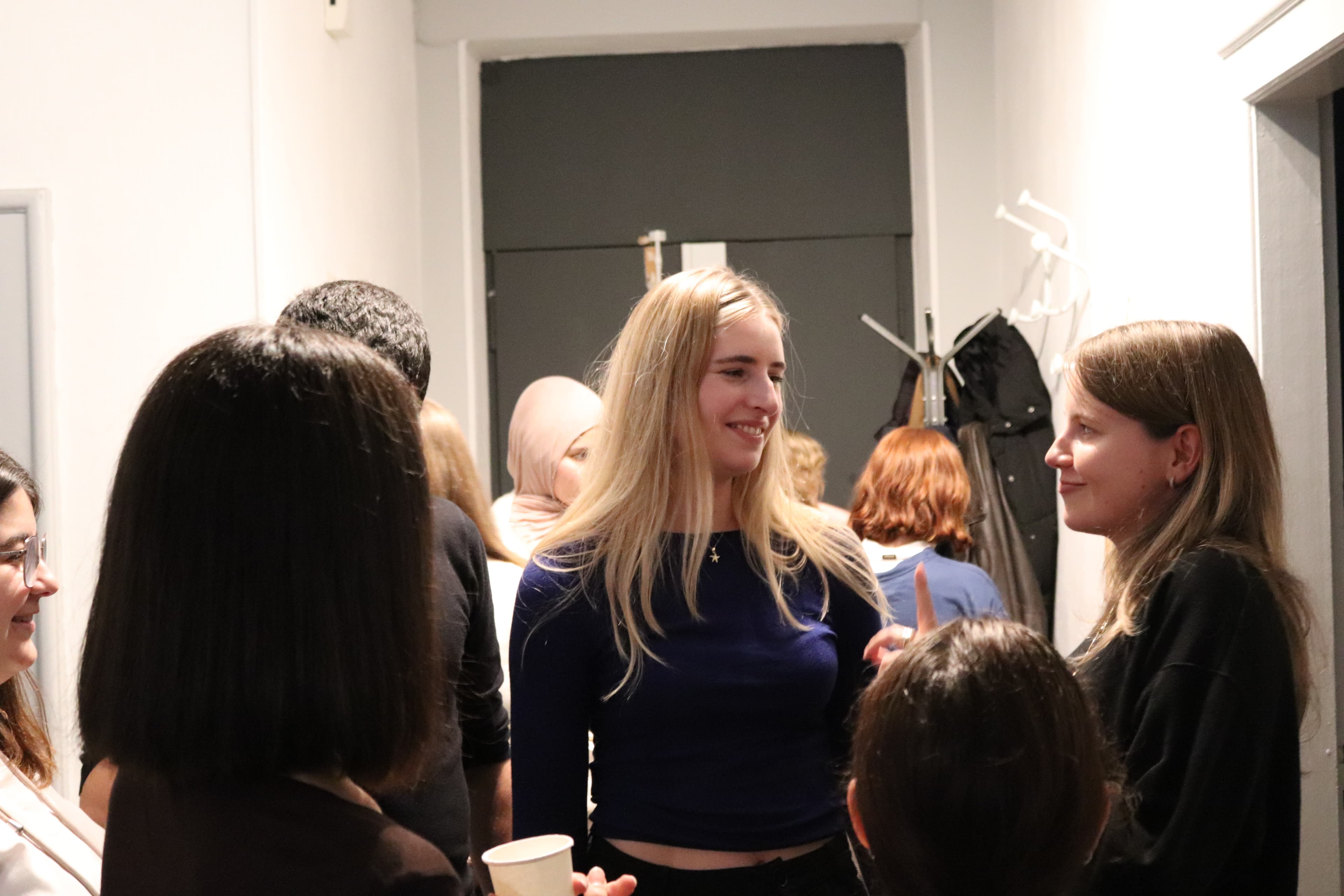
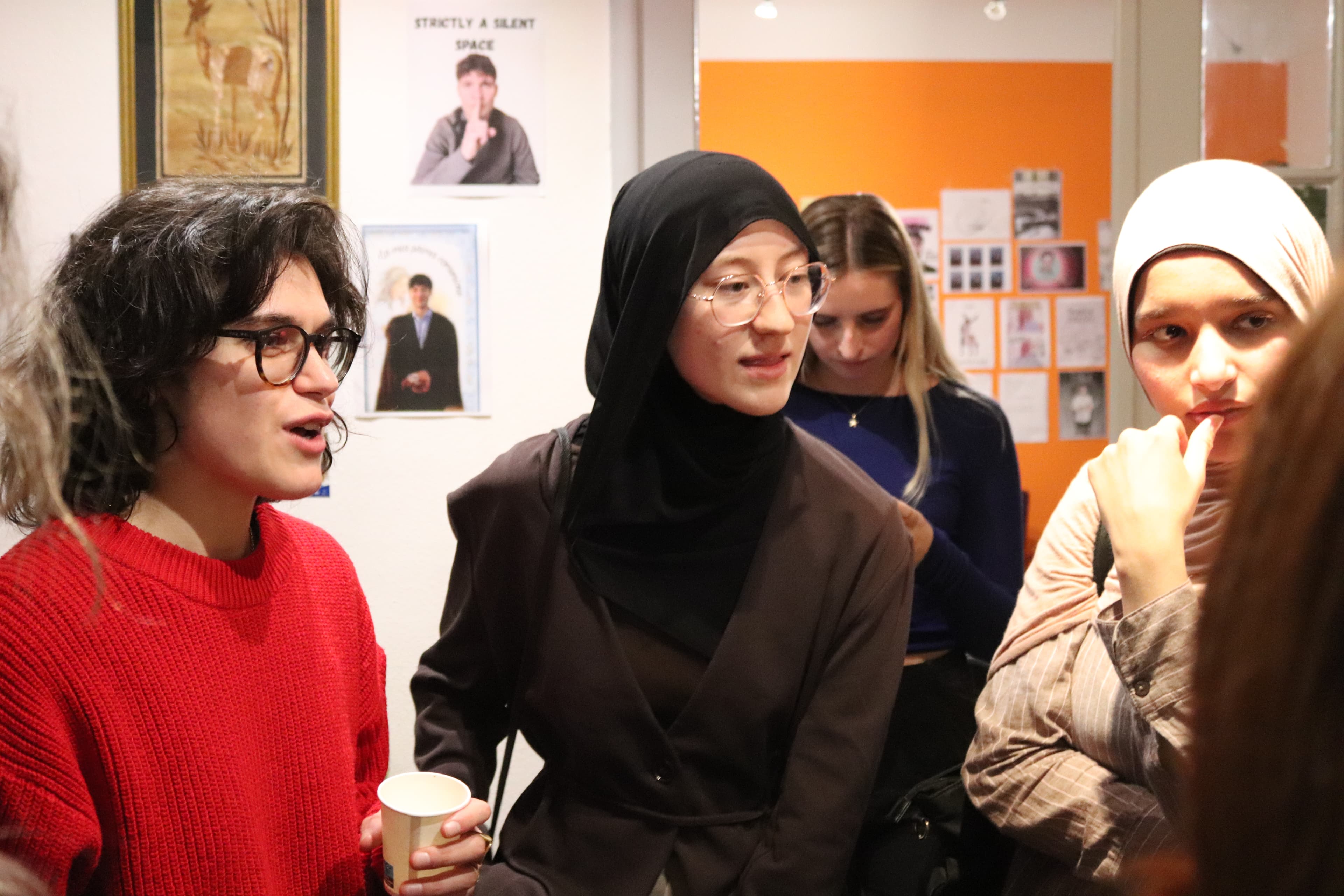
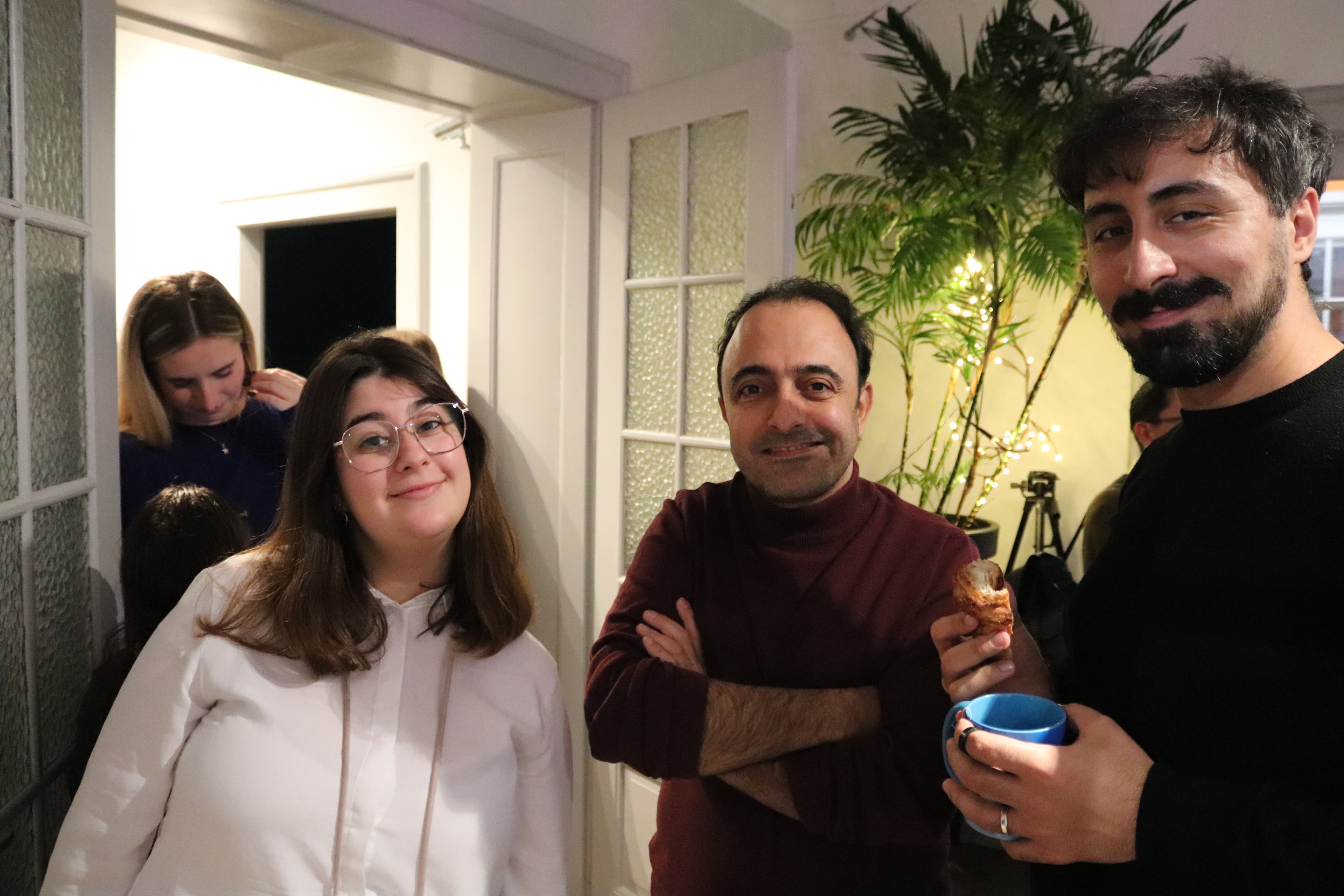
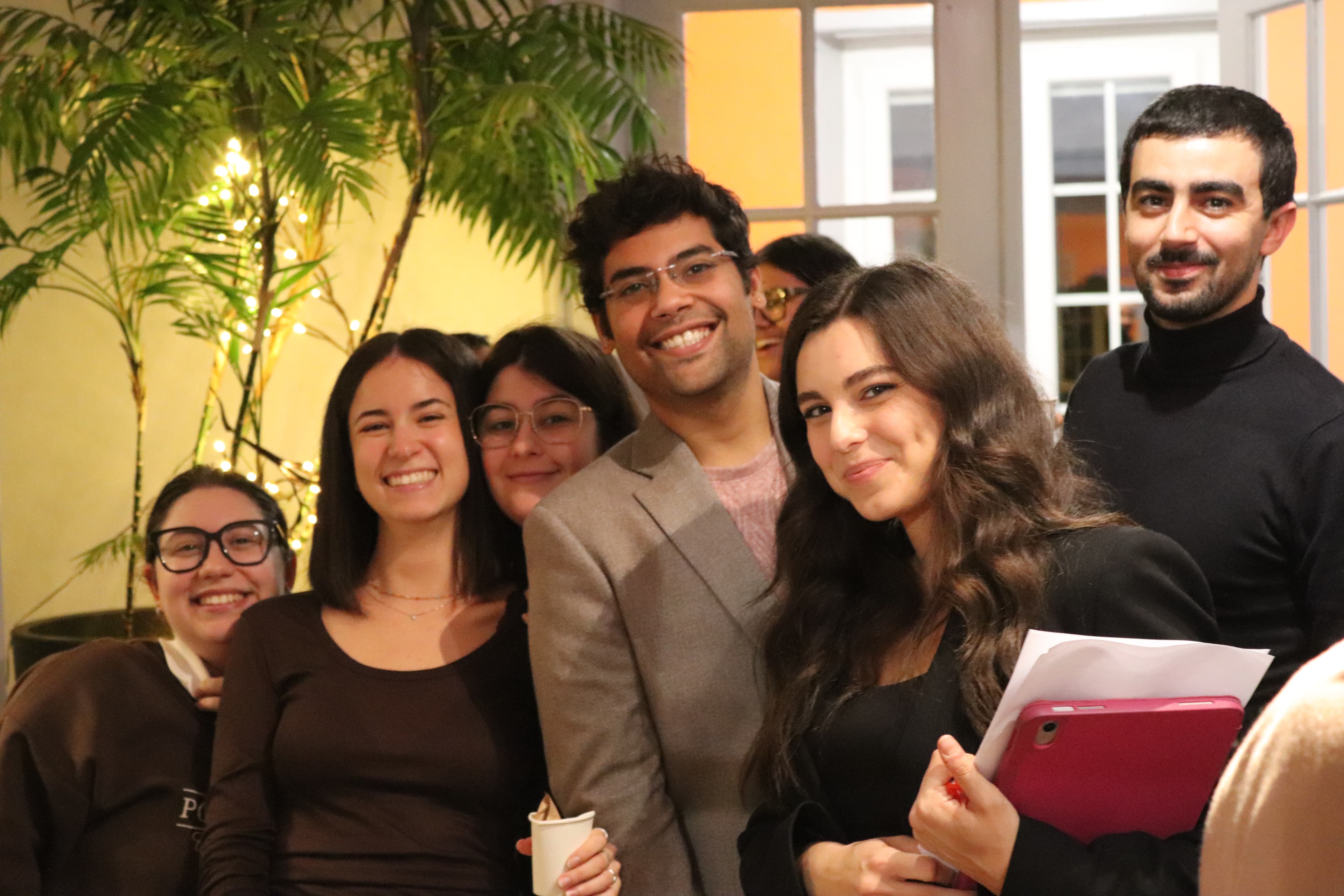
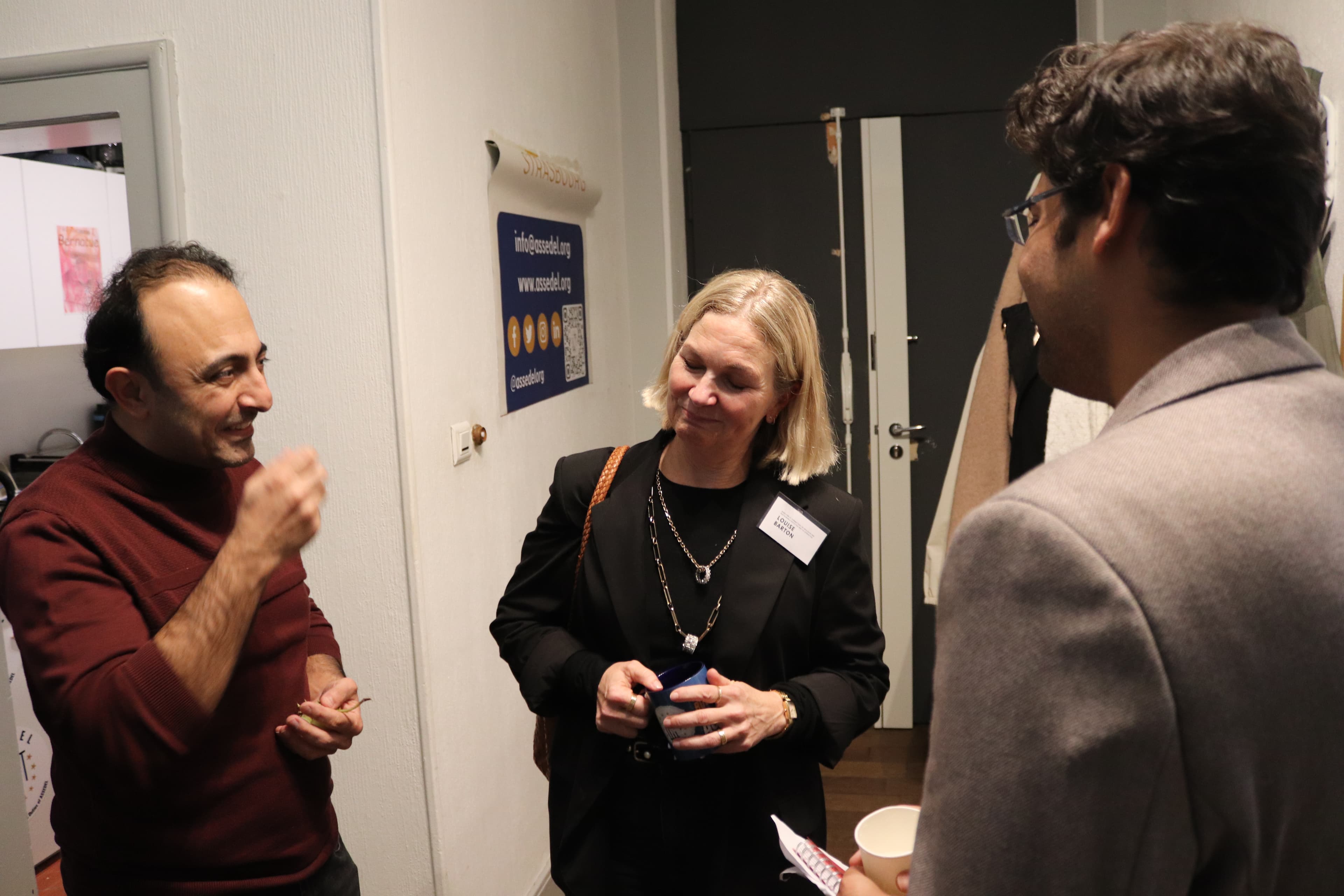
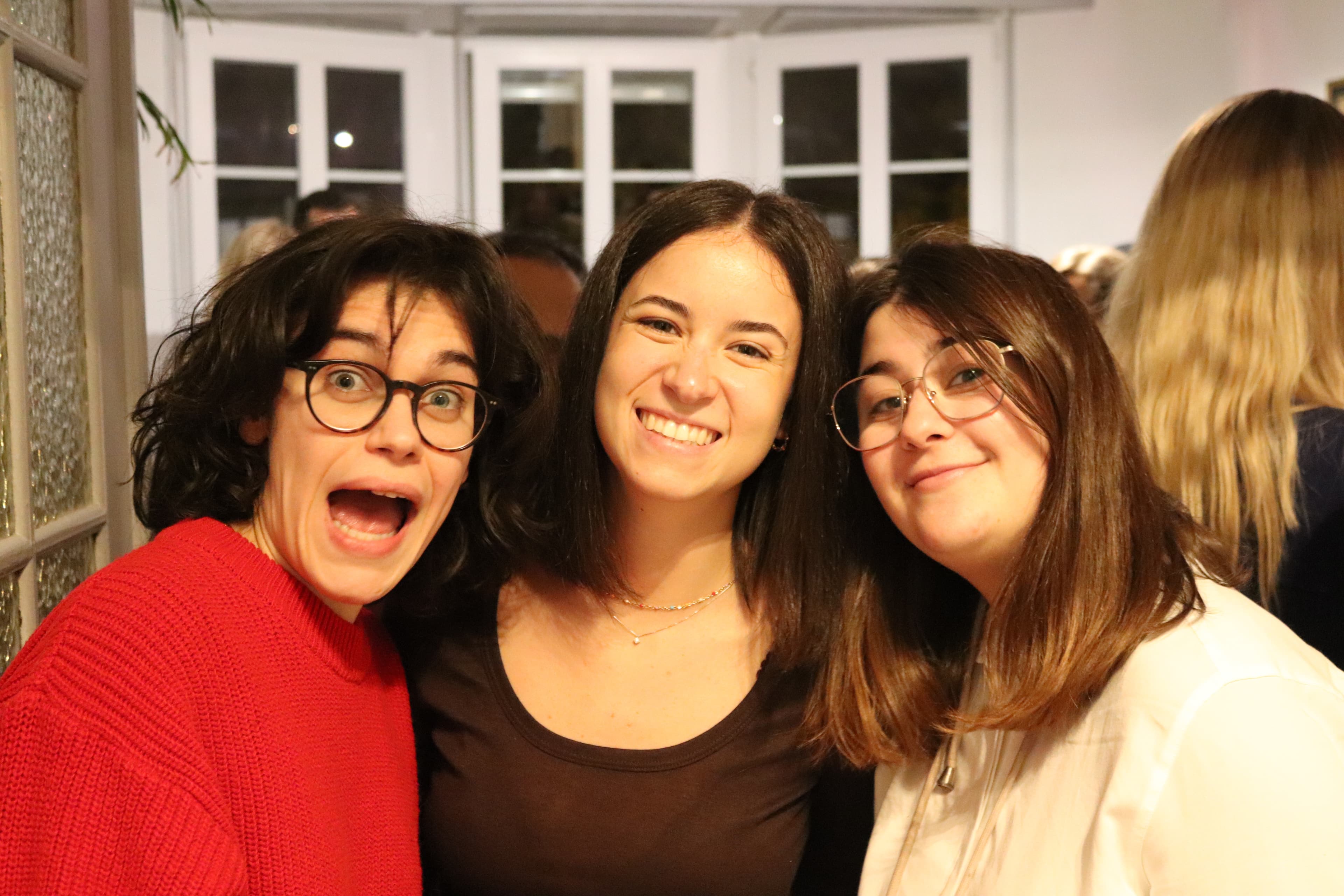
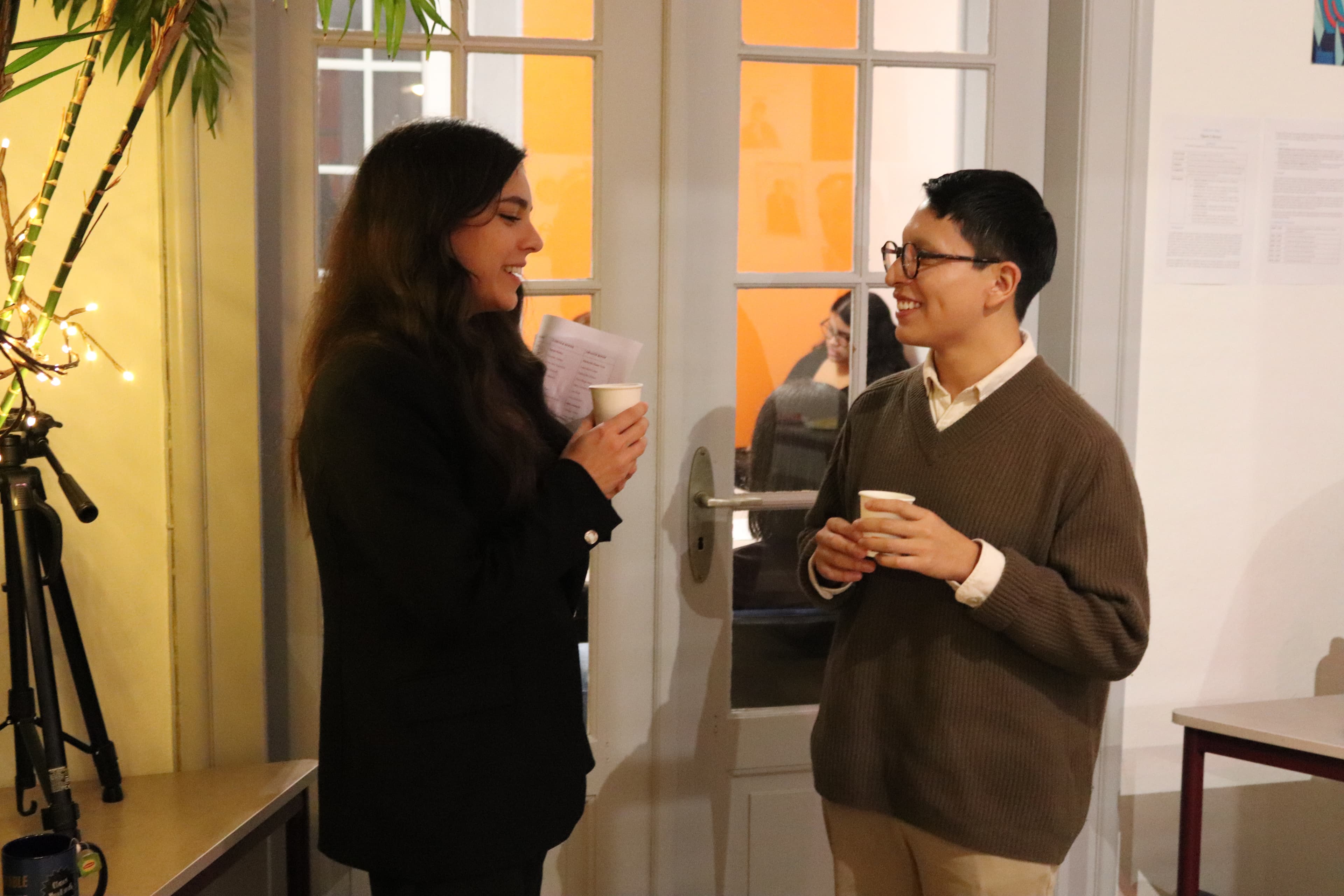
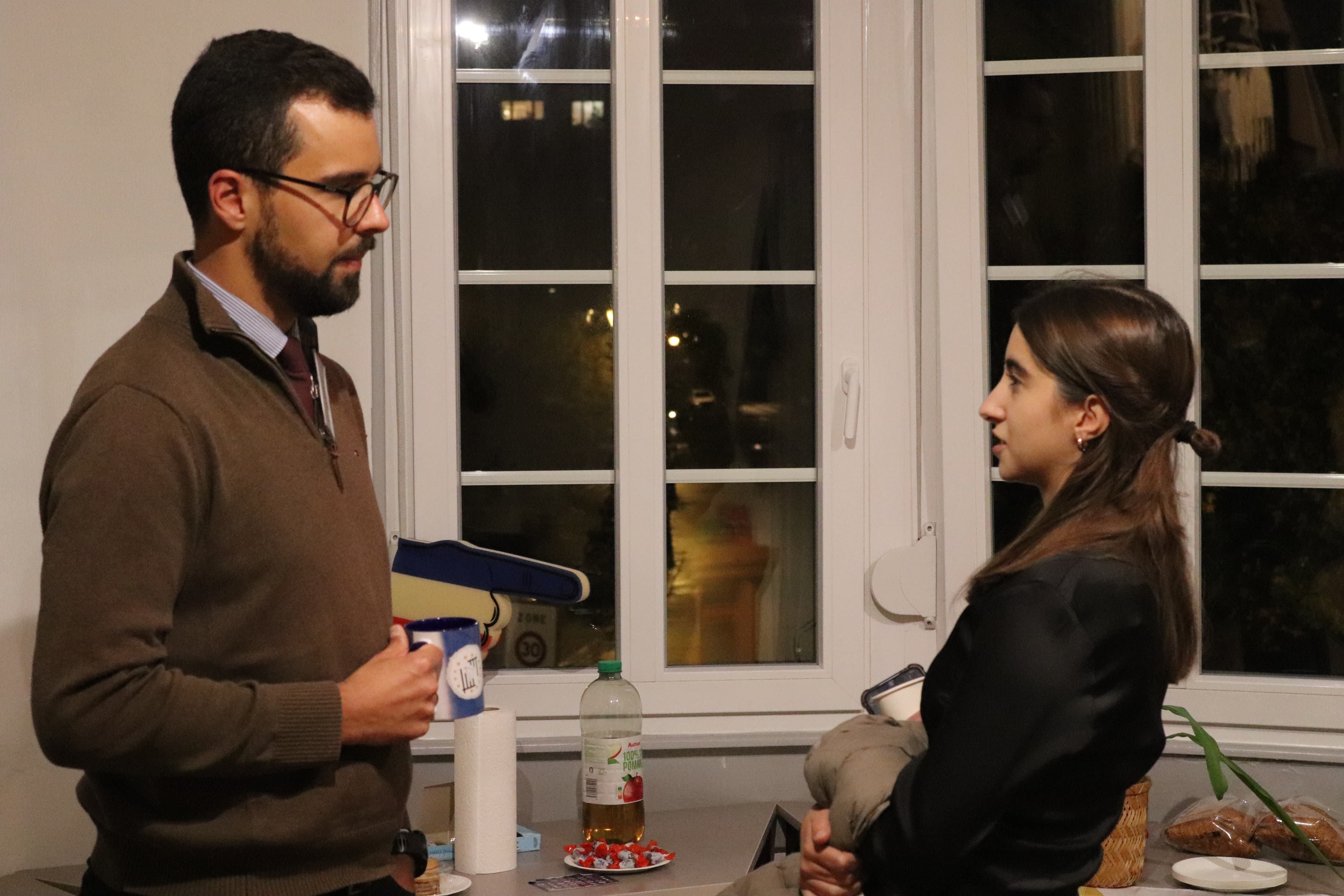
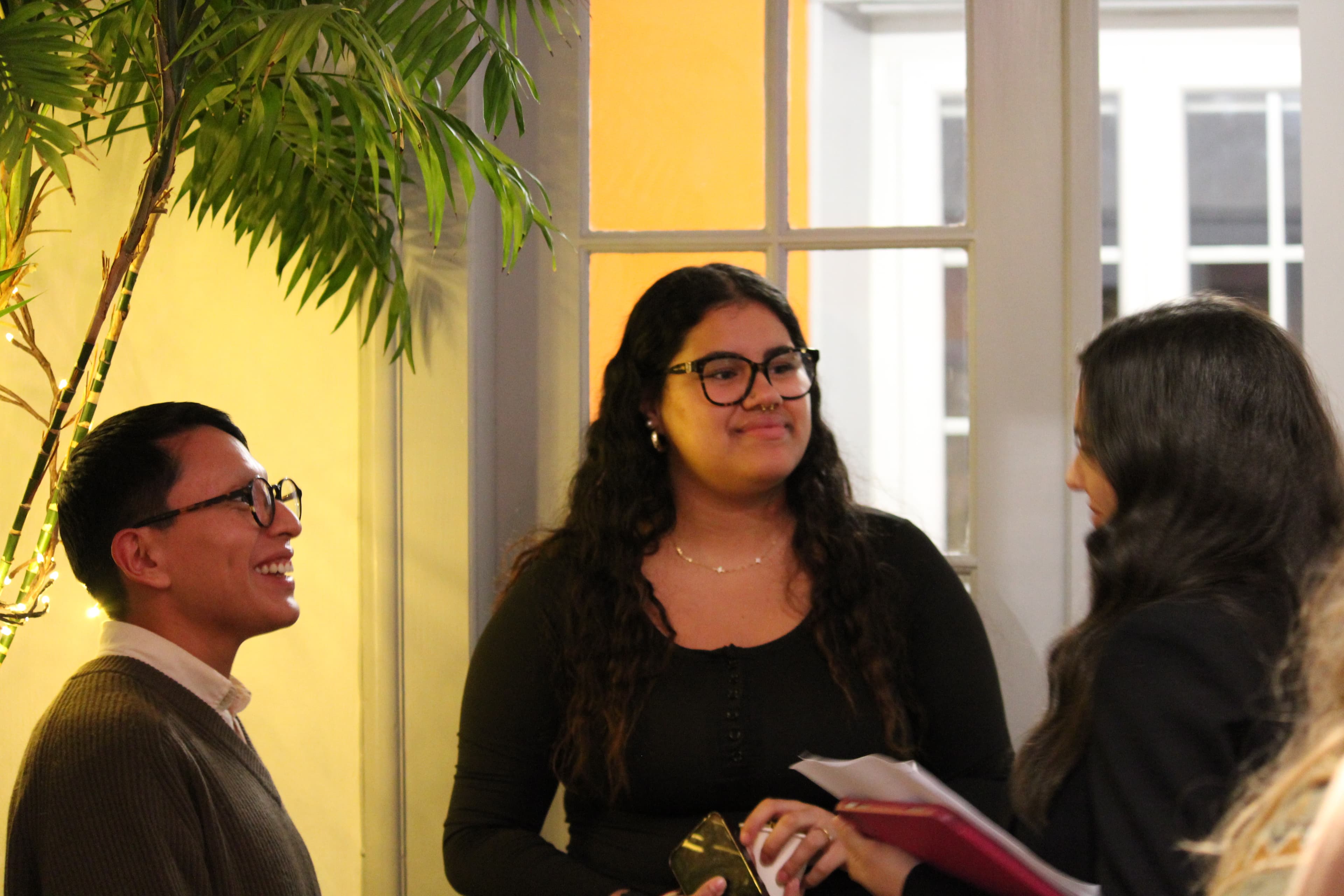
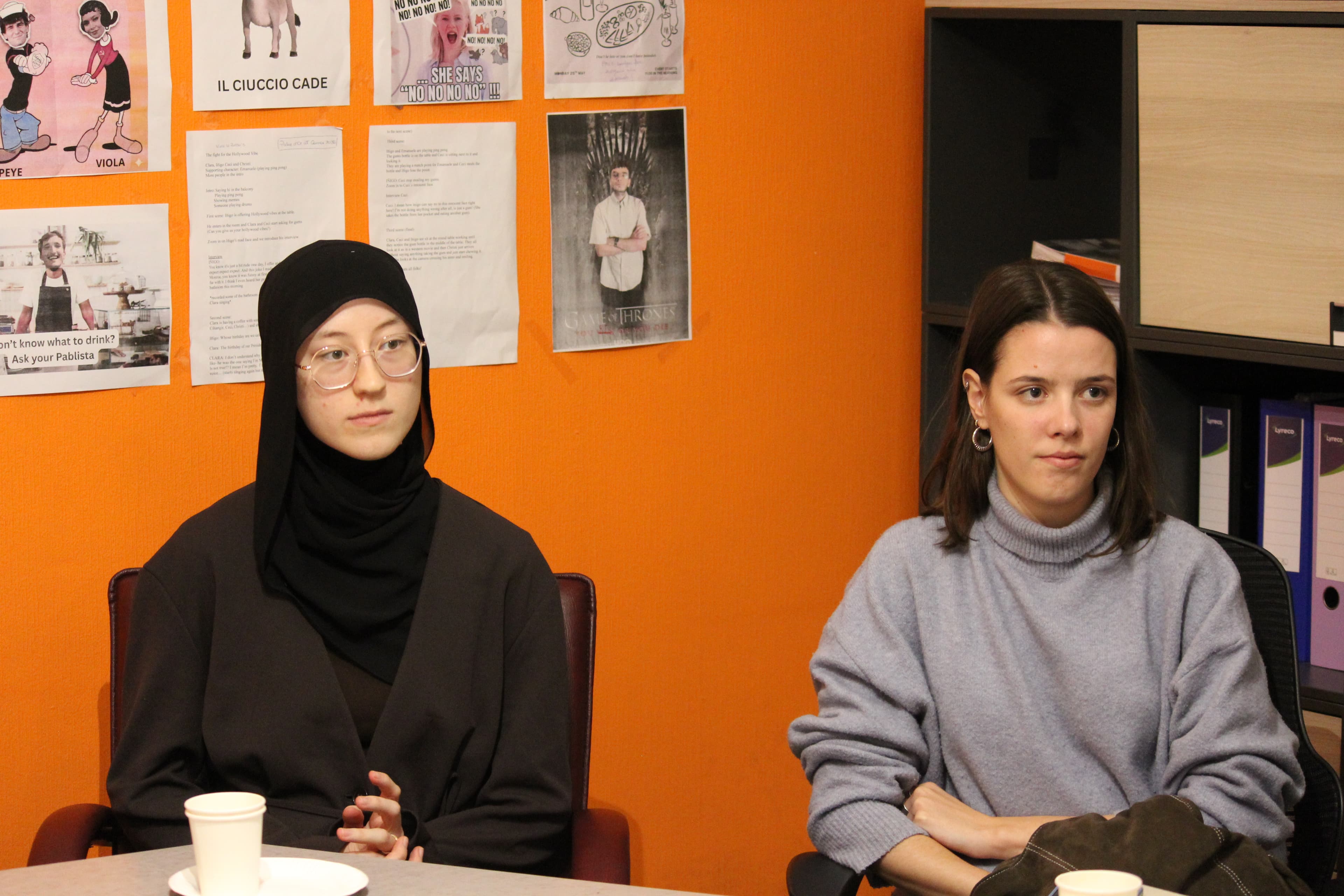
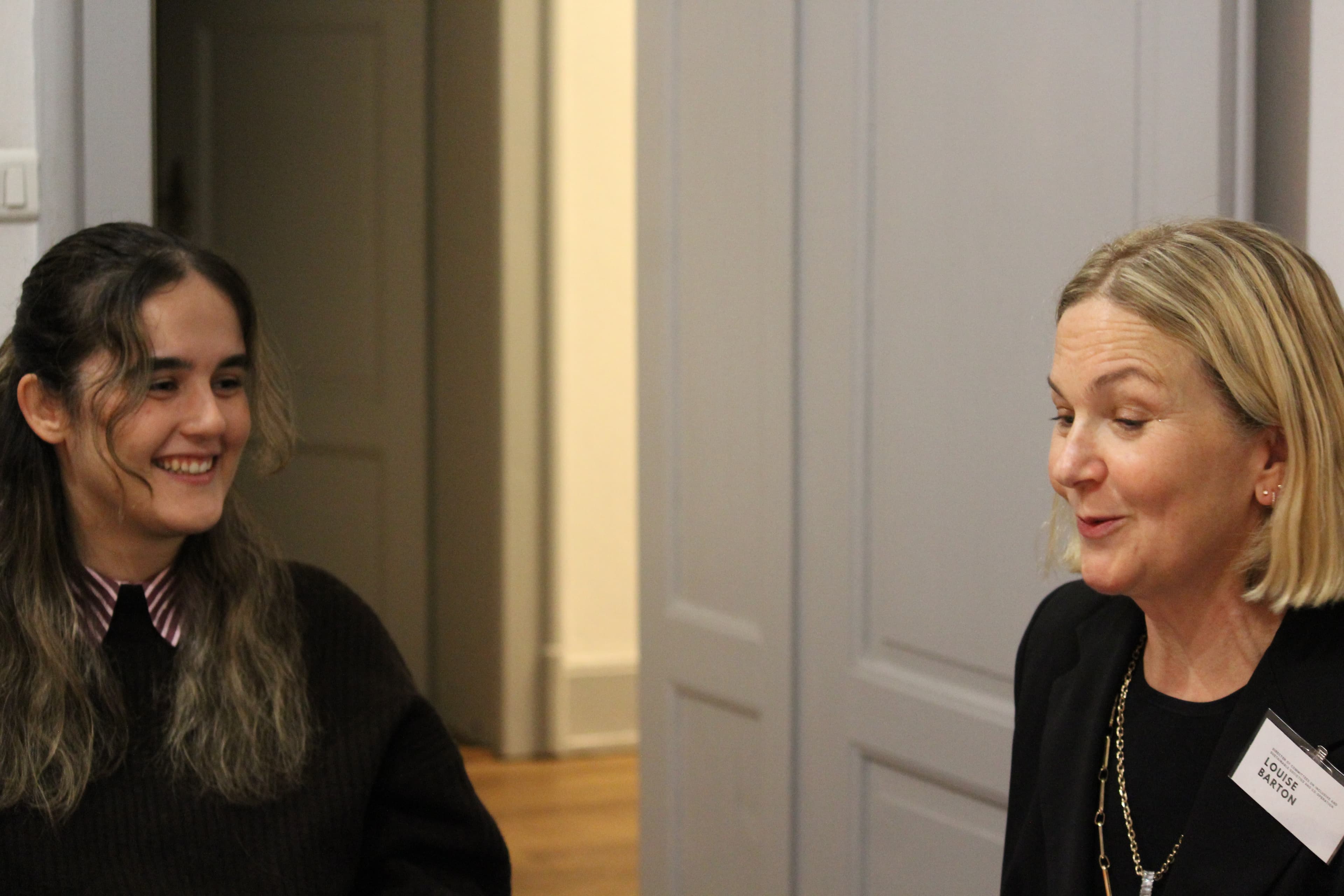
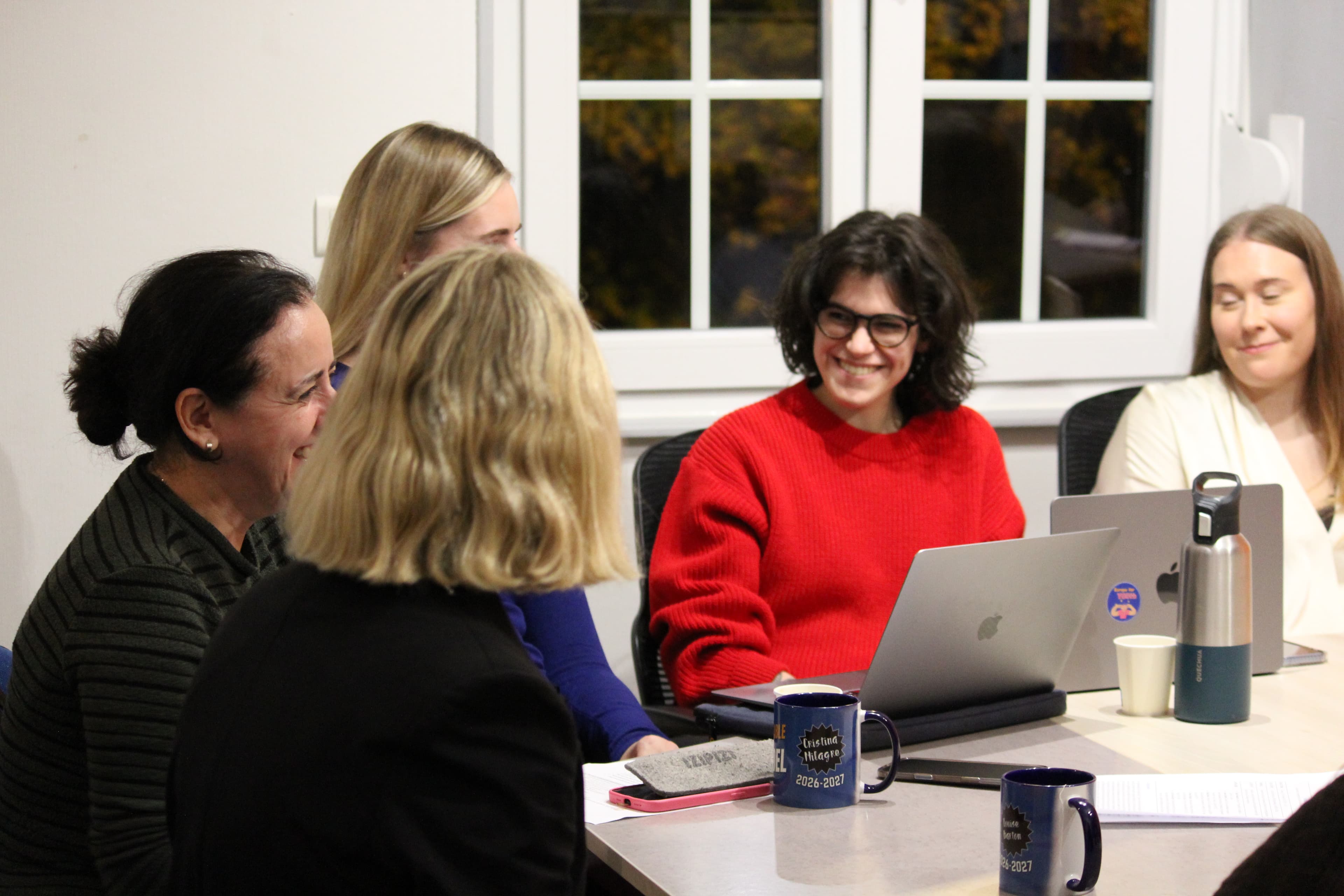
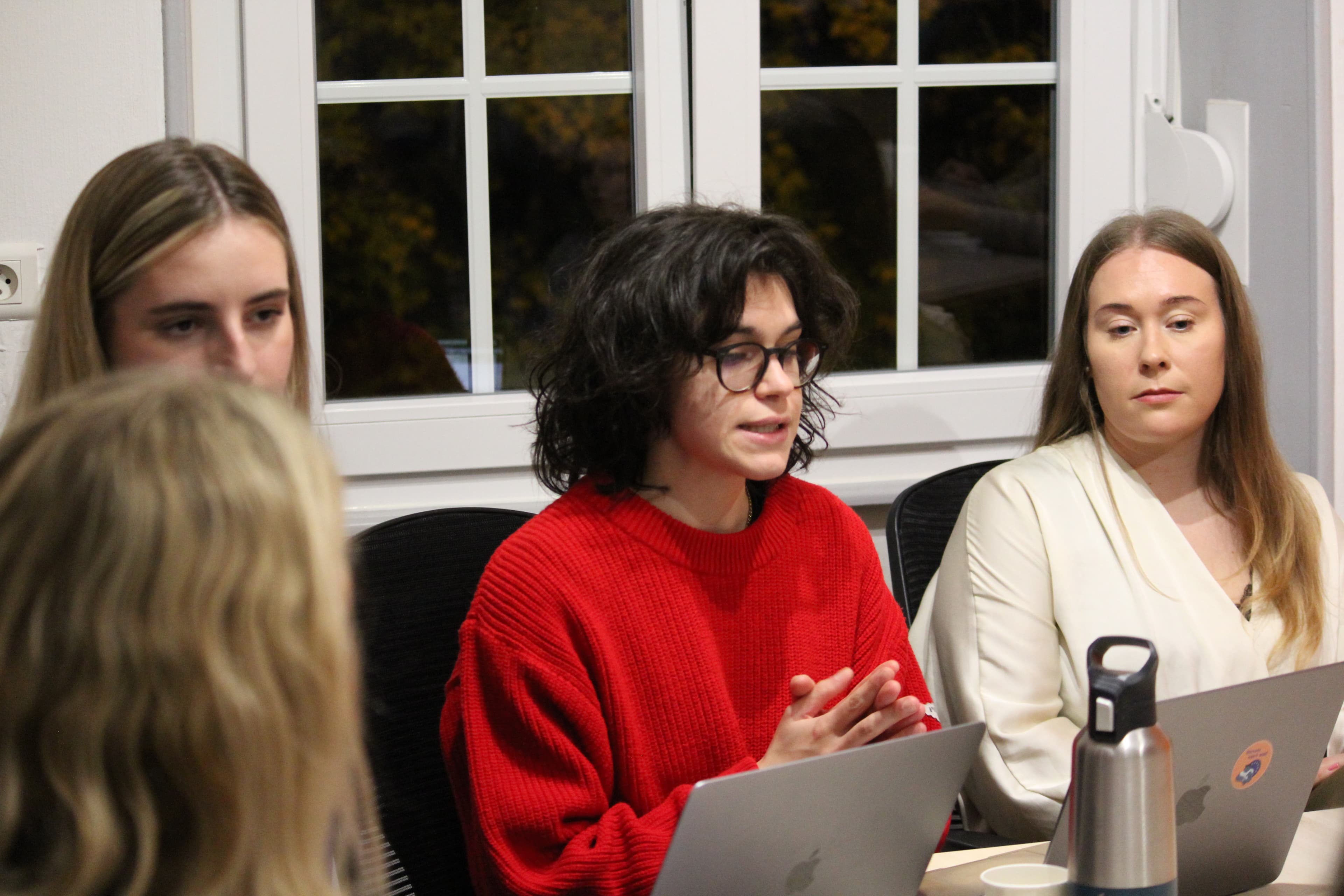
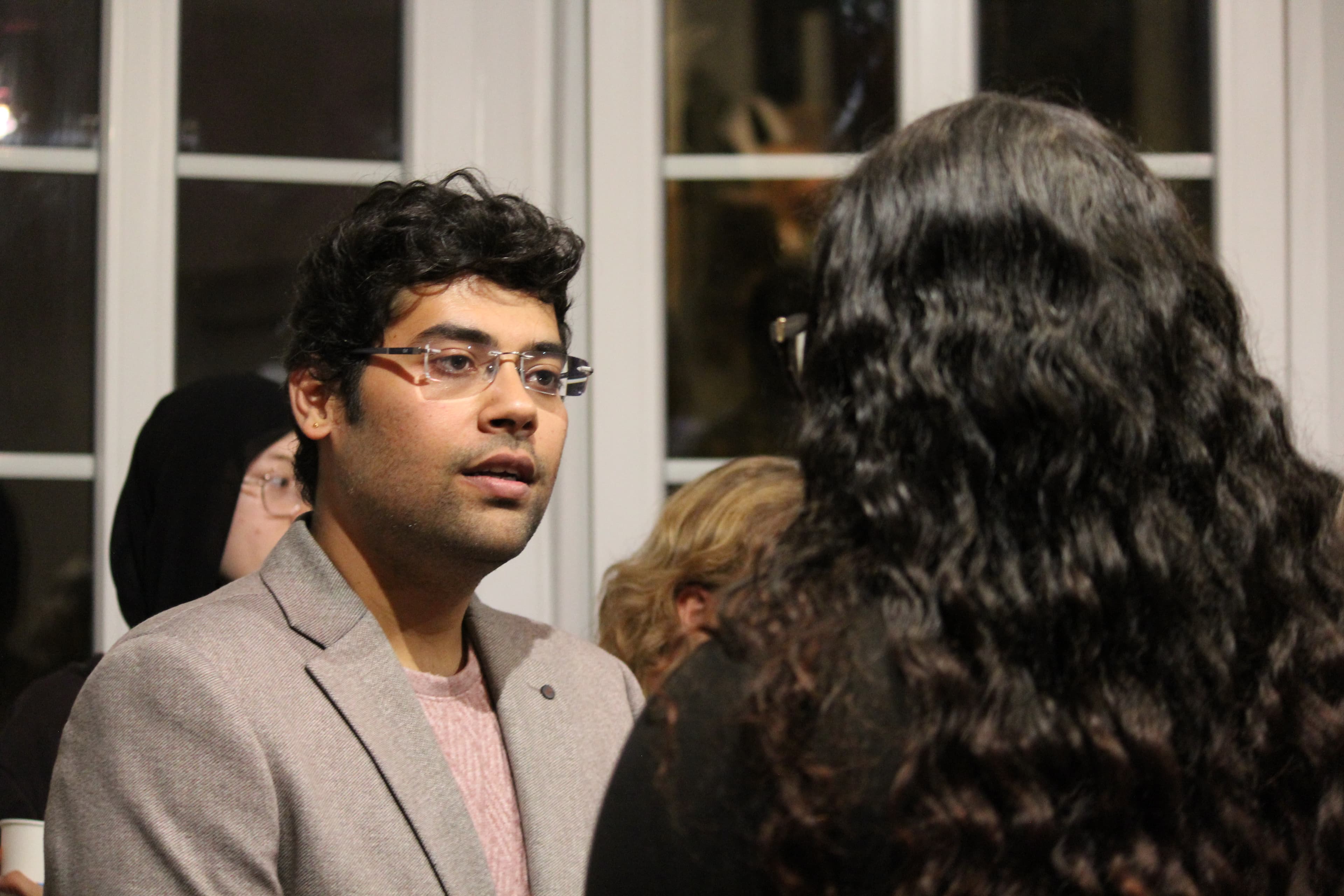
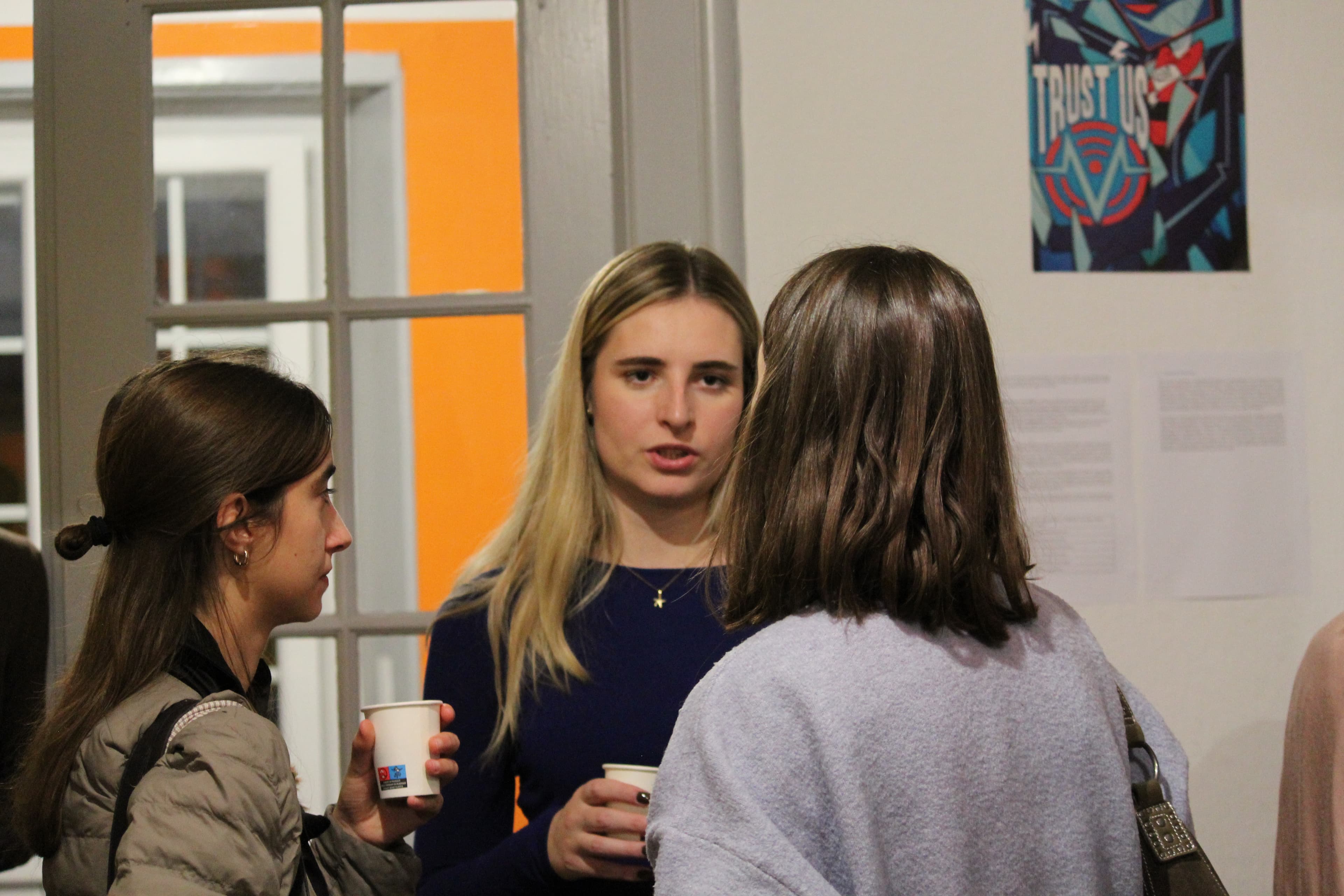
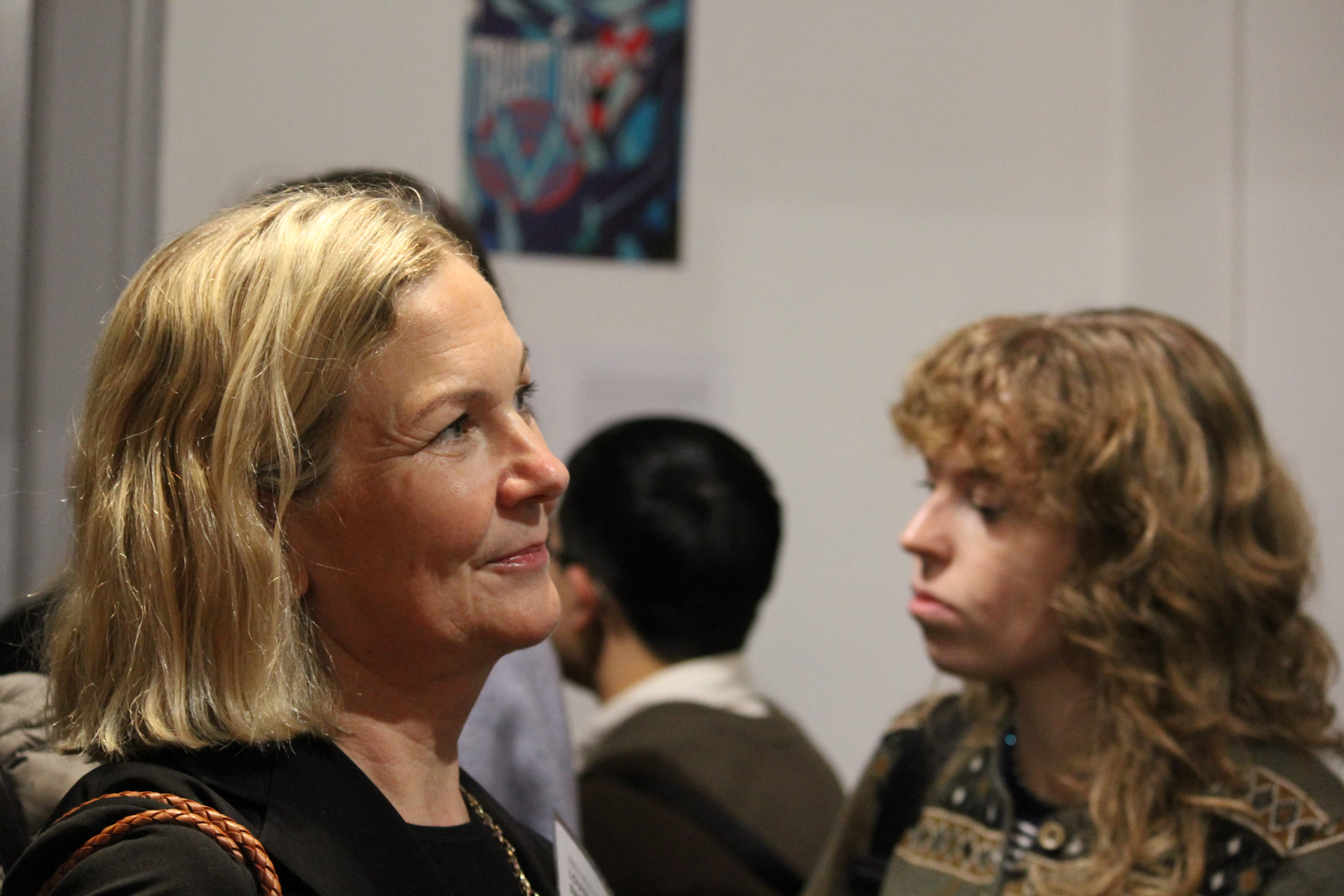
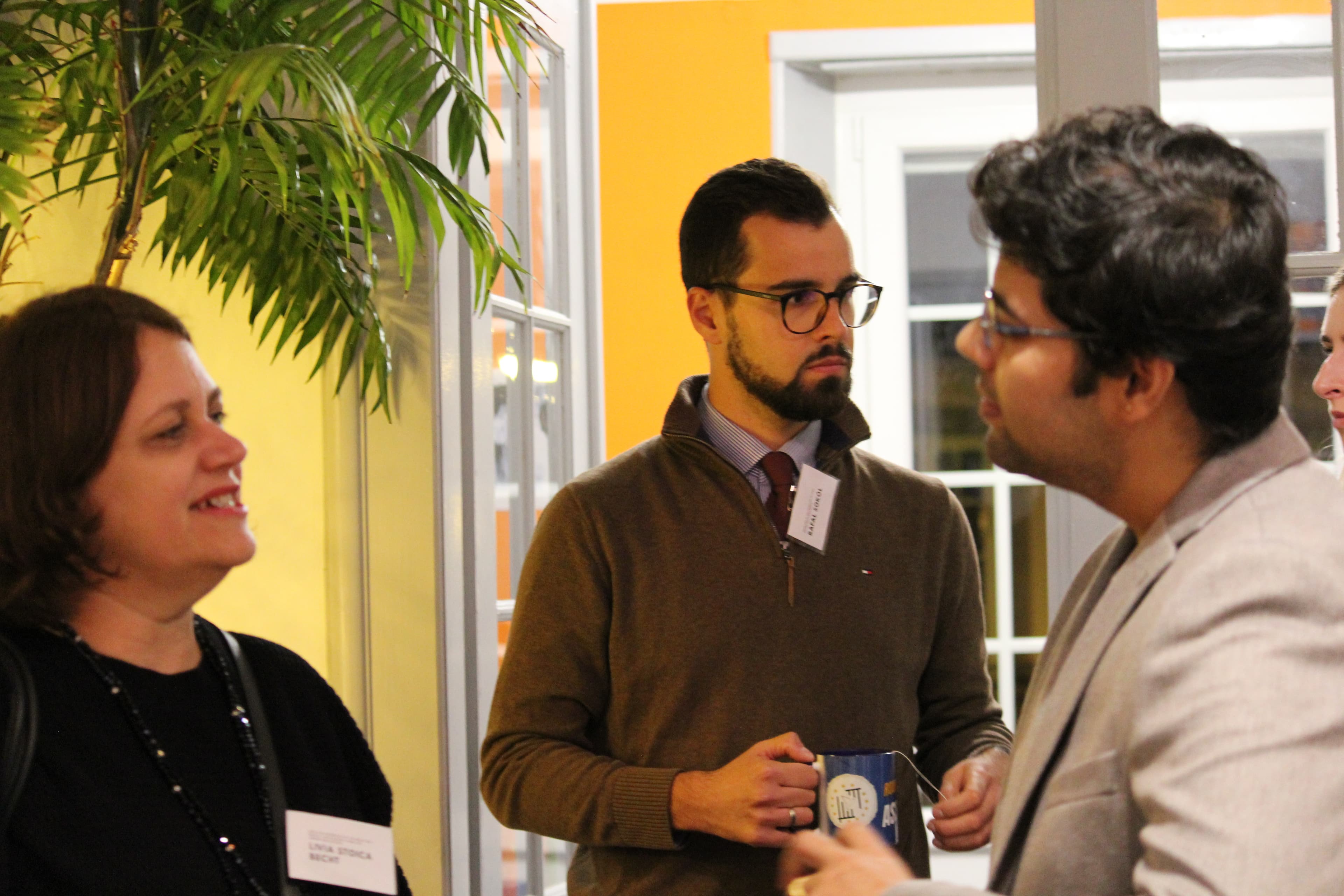
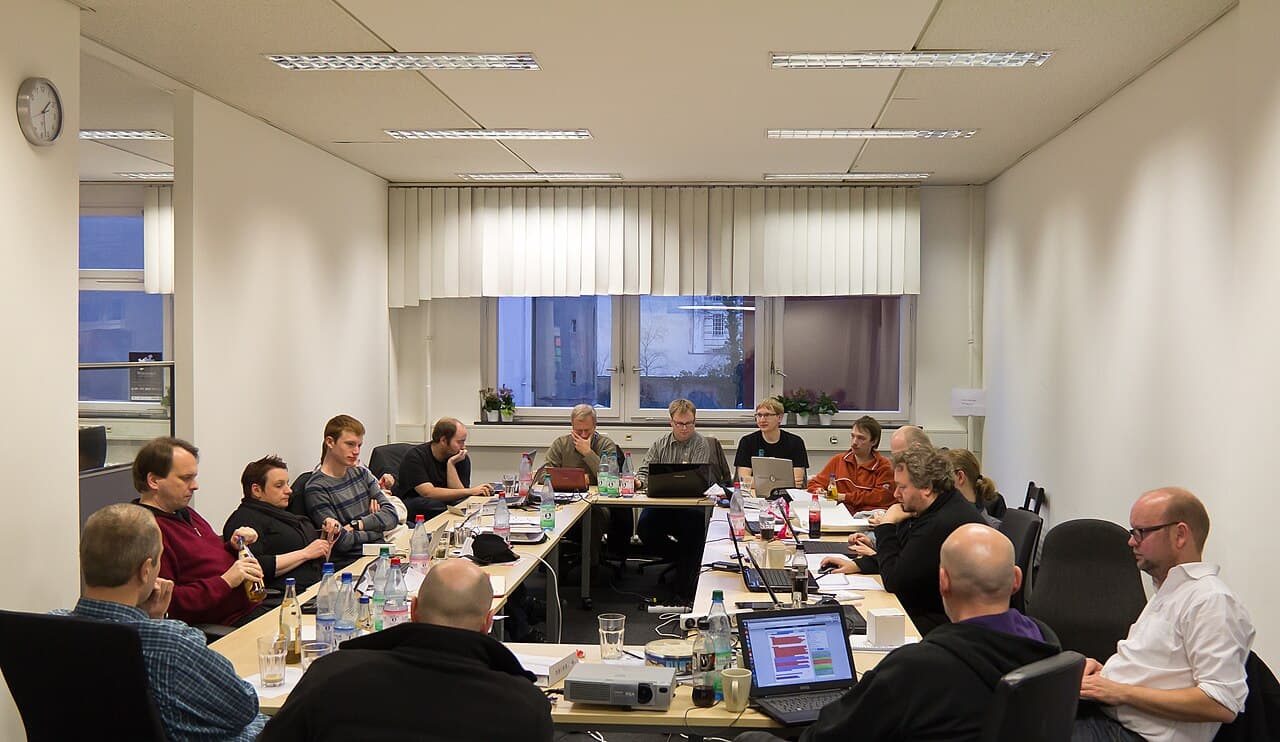
On 10 November 2026, ASSEDEL hosted the second edition of the Open Library at its Strasbourg office, welcoming approximately 25 students and young professionals. Participants were divided into three small discussion groups, with the speakers moving between rooms over the course of the evening. The guests came from different parts of the Council of Europe, ranging from its monitoring bodies and intergovernmental committees to the secretariat of the Parliamentary Assembly. This variety gave participants a closer look at a wide range of departments and professional roles, and at how each contributes to the work of the Organisation as a whole.
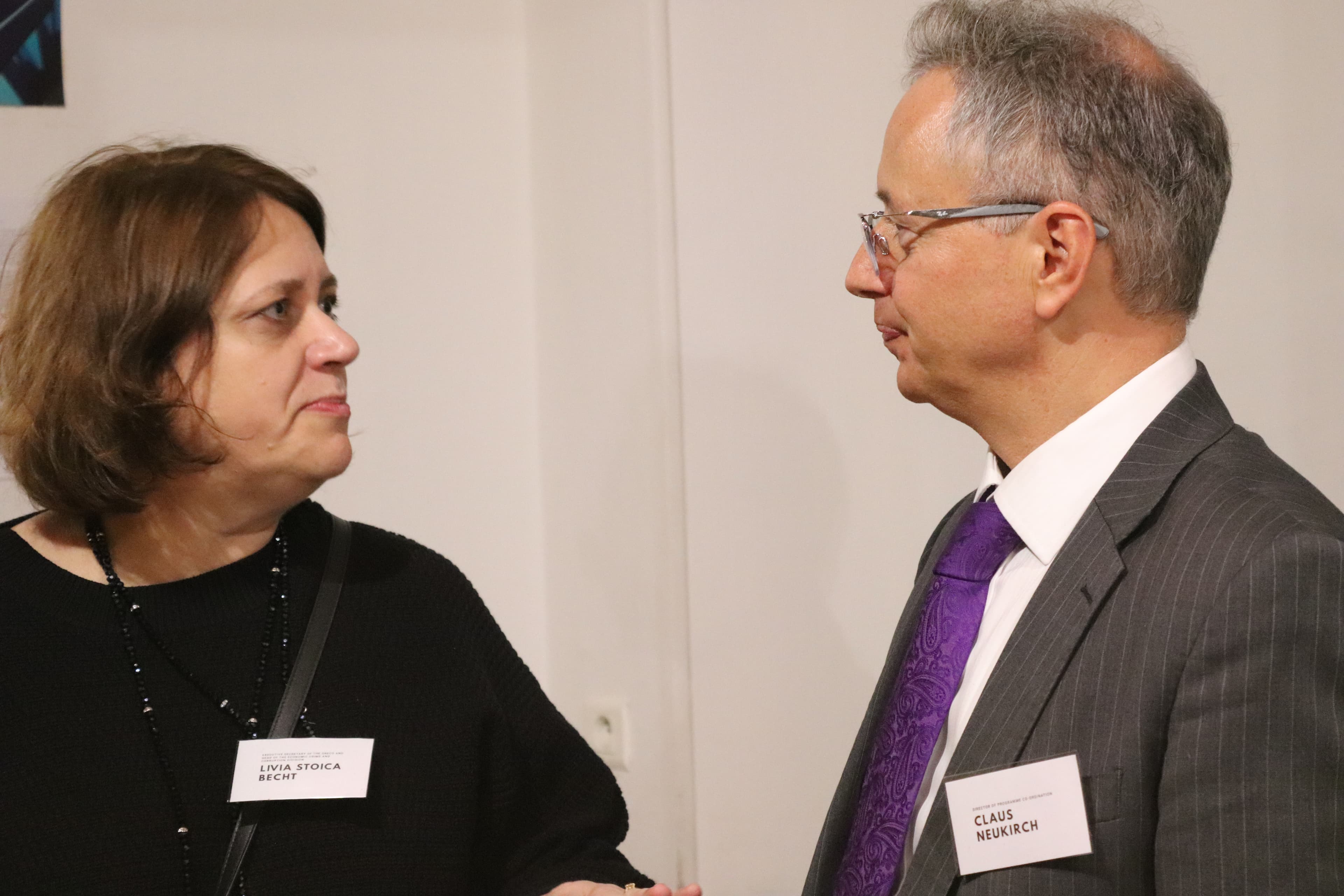
Ms Livia Stoica Becht, Executive Secretary of the Group of States against Corruption (GRECO) and Head of the Economic Crime and Corruption Department of the Council of Europe, and Mr Claus Neukirch, Director of Programme Co-ordination of the Council of Europe, addressed two complementary aspects of the Organisation’s work: the monitoring of Member States’ compliance with Council of Europe standards, notably in the field of anti-corruption, and the support provided to Member States in implementing those standards through co-operation. Ms Louise Barton, Director of the Committees on Inclusive and Sustainable Societies and Co-operation of the Parliamentary Assembly of the Council of Europe (PACE), and Ms Cristina Milagre, Administrator of the Steering Committee on Anti-Discrimination, Diversity and Inclusion (CDADI) presented the parliamentary and intergovernemntal dimensions of the Council of Europe’s work towards more inclusive societies. Mr Rafał Sokół, Secretary of the Committee on Legal Affairs and Human Rights of the Parliamentary Assembly of the Council of Europe (PACE), discussed the Assembly’s work on the rule of law and the protection of human rights in Member States.
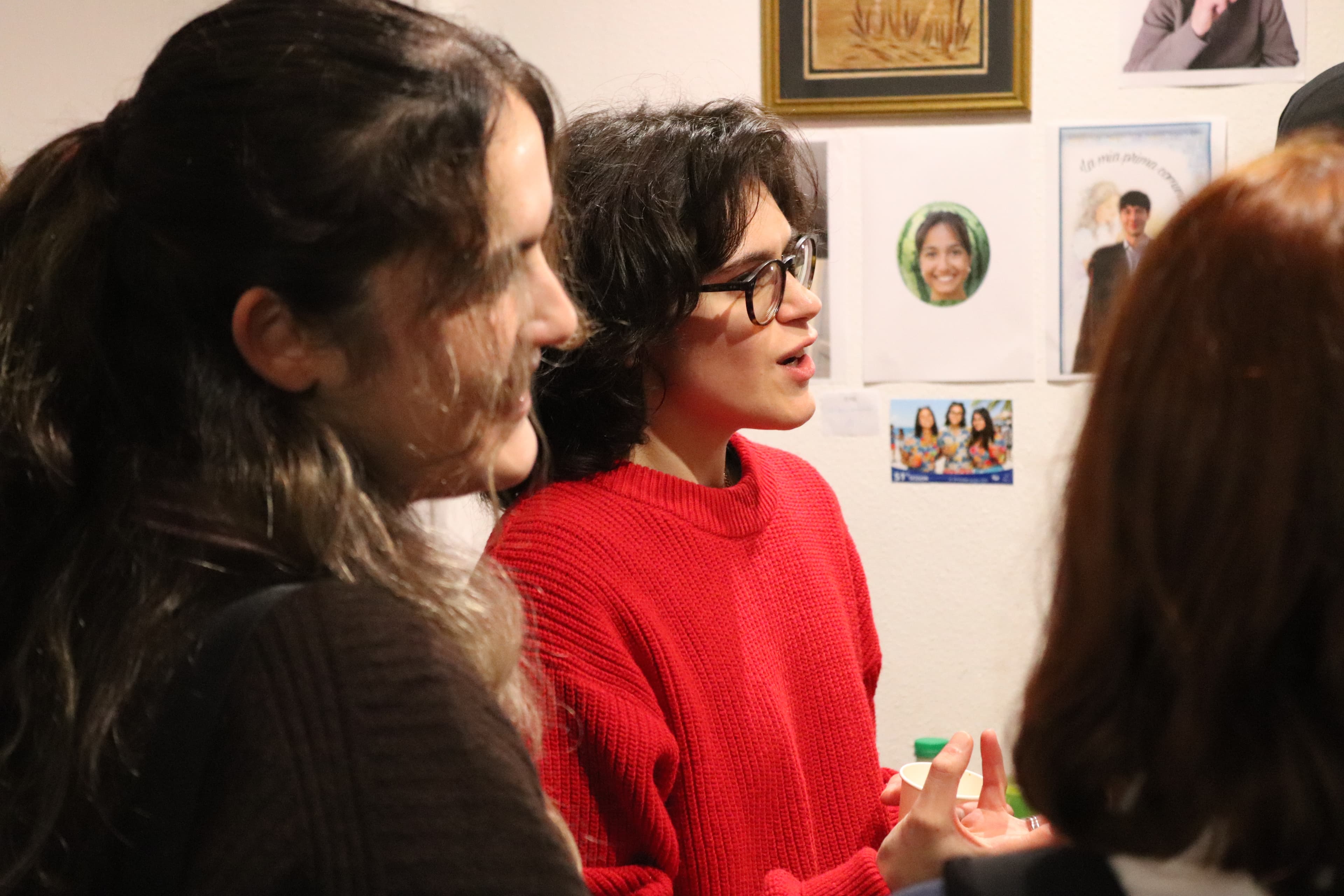
The questions raised by participants reflected the diversity of their academic and professional backgrounds. They ranged from the speakers’ career paths and current responsibilities to the challenges inherent in working within an international organisation. The evening concluded with an informal networking session, which allowed participants and speakers to continue their exchanges.
Towards Sustained Engagement
By making the work of the Council of Europe more tangible, the Open Library aims to help young people see themselves not as external observers of European public life, but as potential contributors to it, whether through their studies, their professional choices or their civic engagement. For the institutions, these encounters offer an equally valuable opportunity: to share their mandates and priorities with a wider audience, and to hear directly from a generation whose interests and expectations will shape the future of human rights, democracy and the rule of law in Europe.
Civil society organisations have a distinct role to play in creating such spaces. Greater institutional accessibility requires actors capable of establishing contact, convening different communities and translating interest into lasting engagement. ASSEDEL remains committed to fulfilling this role. ASSEDEL extends its sincere gratitude to Ms Stoica Becht, Mr Neukirch, Ms Barton, Ms Milagre, and Mr Sokół for their time and contributions, and to all participants for their active engagement.
Stay tuned for the next edition of the Open Library, already in preparation! Further details will be announced on our website and social media channels soon.