 ASSEDEL
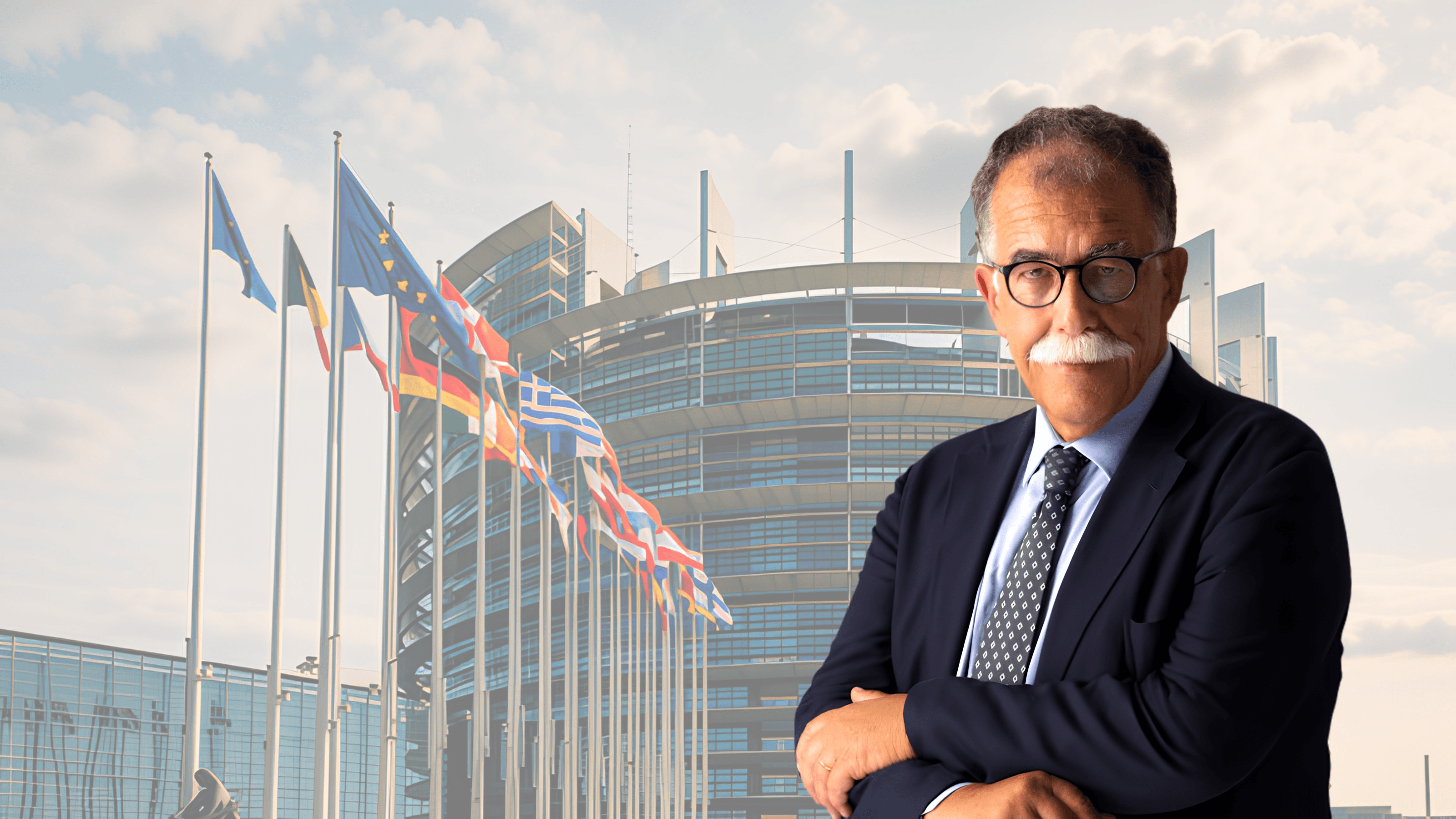
Digital technology is part of our everyday lives and has profoundly transformed the way we communicate, access information and interact with others. However, the growth of social media and increasingly early access to the internet raise new challenges for the protection of minors, mental health and democratic coexistence. According to Italian MEP Sandro Ruotolo, Europe must play an active role in regulating the digital environment, ensuring that major technology platforms comply with the rules and that citizens’ rights, particularly those of younger people, are protected.
The key issue is not simply to limit the risks associated with technology, but to strike a balance between freedom, security and responsibility. In a world where digital platforms exert an increasingly strong influence on society, it is essential to establish common rules that protect users without turning the internet into a space of constant surveillance.
This article is based on an interview with Sandro Ruotolo, a Member of the European Parliament in the Socialists and Democrats (S&D) Group, in which he discusses the main challenges surrounding the regulation of digital platforms, the protection of minors, the responsibility of technology companies and the need to strengthen Europe’s digital autonomy.
Protecting minors from the risks of social media
Young people’s access to social media raises important questions about their well-being and safety. Addressing these risks requires stronger protection for young users, greater digital literacy and increased accountability for the platforms responsible for the content and services they provide.
Protecting minors cannot depend solely on families’ ability to monitor their children’s online activities. Technology companies must also take responsibility, as they design and manage the digital environments in which young people spend an increasingly significant amount of their time.
The goal is to create a safer digital space where minors can benefit from technology without being exposed to risks they may not yet be mature enough to recognise or manage.
Regulating platforms while safeguarding rights
Europe must strike a balance between regulating major technology companies and protecting fundamental rights such as freedom of expression and privacy. The aim is to establish clear rules that protect citizens without unjustifiably restricting their freedoms.
Moving towards greater European digital autonomy
Protecting citizens also depends on Europe’s ability to reduce its reliance on major foreign technology companies. Developing its own digital capabilities and safeguarding personal data are important steps towards strengthening European autonomy and ensuring that technology serves the public interest.
Building a digital future that serves citizens
Europe’s challenge goes beyond regulating platforms: it is about deciding what kind of digital society we want to build. One that does not place economic interests above fundamental rights, that gives particular protection to minors and that ensures innovation goes hand in hand with responsibility. Achieving this requires effective rules, cooperation and genuine political commitment. The digital transformation will only represent real progress if it puts people first and ensures that no one has to give up their rights in order to participate in it.
Watch the full video interview on YouTube: