 ASSEDEL
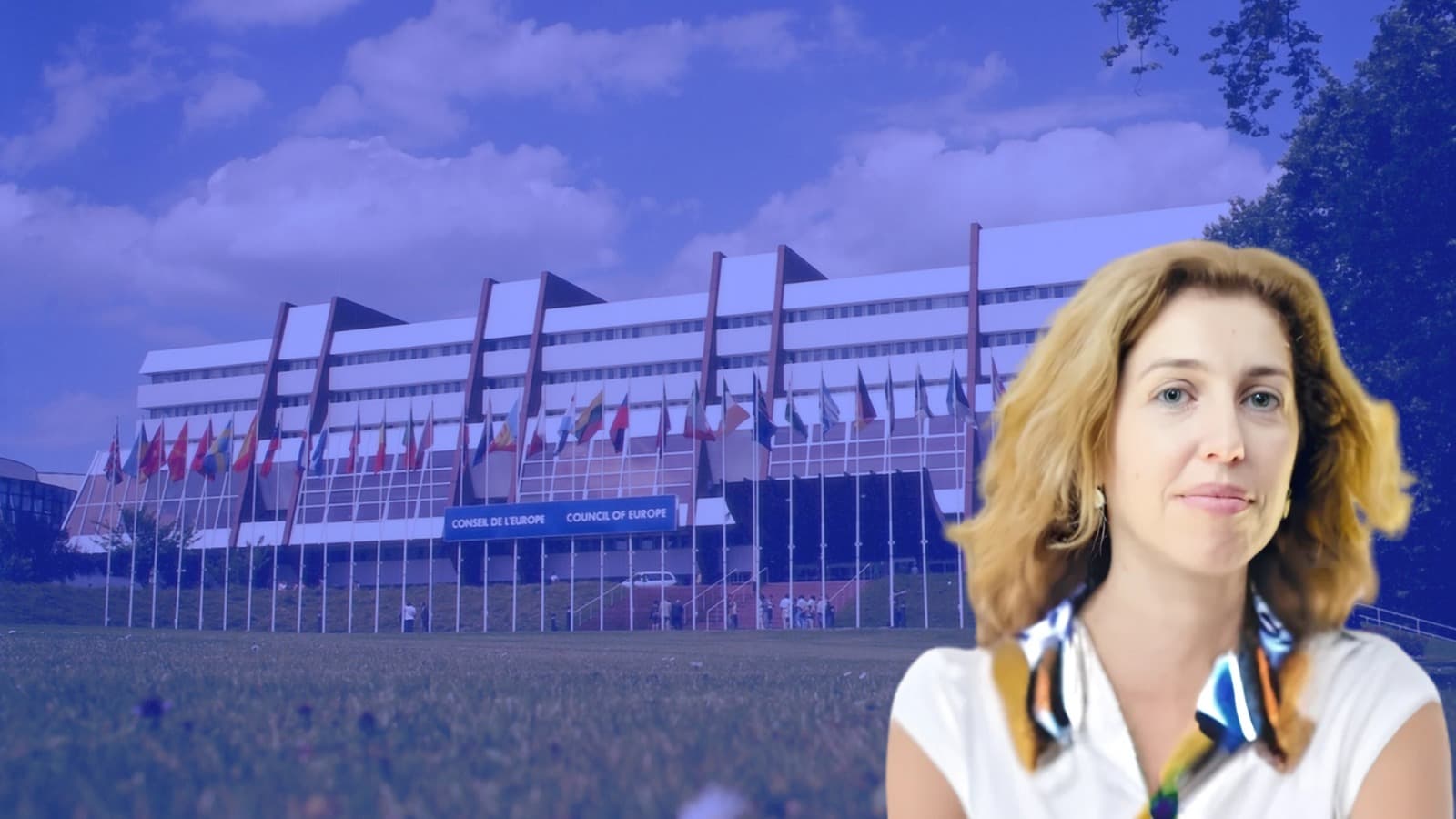
ASSEDEL recently held a roundtable discussion with Carolina Lasén Diaz, Secretary of the Parliamentary Assembly of the Council of Europe’s Committee on Equality and Non-Discrimination, offering participants an opportunity to gain first-hand insight into the work of the Council of Europe and the challenges facing human rights protection across Europe.
During the session, Carolina Lasén Diaz reflected on her professional journey and her long-standing interest in human rights. After studying law, she pursued opportunities to work at the European level, initially applying for positions within the European Union. Her subsequent experience at the Council of Europe allowed her to focus more closely on human rights, equality and fundamental freedoms, an area that particularly aligns with her professional interests.
A central part of the discussion focused on the functioning of the Parliamentary Assembly of the Council of Europe (PACE) and its committees. Participants learned how parliamentarians contribute to the Assembly’s work by engaging in committees related to their interests, professional expertise or political priorities. Within these committees, proposals are developed, discussed and put to internal votes, with consensus playing an important role in determining which initiatives move forward.
Particular attention was given to the Committee on Equality and Non-Discrimination, which addresses a broad range of human rights issues, including women’s rights, the rights of LGBTQ+ people and the protection of minorities. Carolina Lasén Diaz also discussed the reports and documents currently on her agenda, including work examining the implications of artificial intelligence for women’s rights. These examples illustrated how parliamentary work can respond to emerging challenges while contributing to the development of policies and recommendations aimed at strengthening equality and non-discrimination.
The discussion also explored the Council of Europe’s institutional priorities, how they are established and the strengths and limitations of the organisation in advancing its objectives. This provided participants with a clearer understanding of the opportunities and complexities involved in promoting human rights through international institutions, where political positions and the need to reach agreement can shape the outcome of initiatives.
Finally, the roundtable addressed the current political climate surrounding women’s rights. Particular emphasis was placed on the challenges posed by the rise of far-right movements and the growing political pressure on gender equality, both across European countries and within institutional settings. The conversation highlighted the importance of continued engagement and institutional action to safeguard existing protections and advance equality.
The session offered participants valuable insight into the practical work behind European human rights policymaking, connecting institutional processes with the political debates that shape the protection of fundamental rights today. ASSEDEL continues to promote opportunities for dialogue and learning that bring participants closer to the work of European institutions and the people contributing to it.