

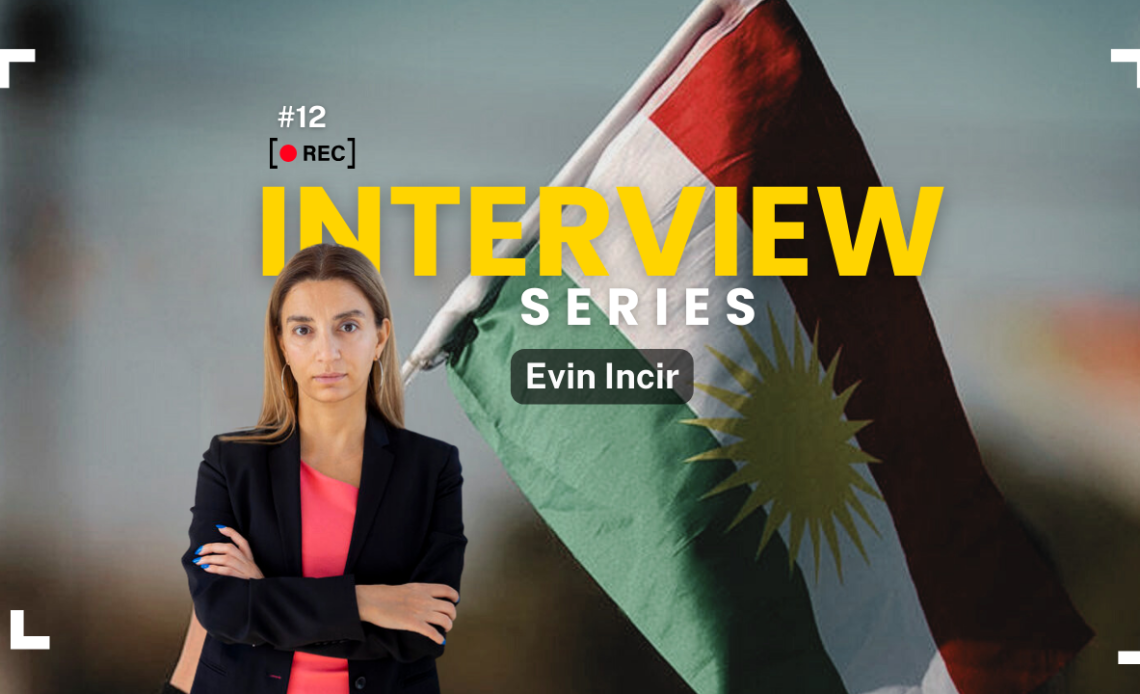
Amid renewed discussions on peace between the Turkish state and the Kurdish population, ASSEDEL spoke with Evin Incir, Member of the European Parliament, about the prospects and limitations of the current peace process and the role of the European Union. During the interview, MEP Incir reflected on past failures, current political dynamics in Turkey and the conditions necessary for a credible and lasting peace.
Lessons from past peace processes
MEP Incir recalled the 2013 peace process, which included dialogue with Abdullah Öcalan but ultimately collapsed due to a lack of sustained political commitment. Comparing it with current developments, she expressed concern that the present efforts risk a similar outcome, citing the Turkish government’s reluctance to take concrete and reciprocal steps. While acknowledging gestures such as ceasefire declarations and parliamentary discussions, she stressed that peace processes require genuine responsibility from all parties, something she believes is still lacking on the government side.
Inclusiveness, democracy, and constitutional reform
According to MEP Incir, the core issue remains Turkey’s failure to embrace inclusiveness and democratic principles. She highlighted the long-standing marginalisation of Kurds and other minorities, including Armenians, Syrians, and Christian communities, whose languages, cultures, and political rights remain unrecognised.
She also criticised past decisions by opposition parties, including support for lifting parliamentary immunity of pro-Kurdish MPs, arguing that these actions weakened democratic safeguards and ultimately enabled broader repression across the political spectrum.
Conditions for a credible peace process
For the peace process to become credible and durable, MEP Incir emphasised the need for constitutional reform that recognises Turkey’s ethnic and cultural diversity and guarantees minority protection. She warned that continued military operations against Kurdish populations inside and outside Turkey undermine trust and contradict the logic of negotiations. Without concrete action in these areas, she expressed little confidence that the current process can lead to a genuinely democratic and inclusive Turkey.
The role of the European Union
From a European perspective, MEP Incir argued that while freezing EU accession negotiations was justified, the EU still holds significant leverage. She stressed that all agreements and cooperation with Turkey must be firmly grounded in respect for democracy, human rights, and the rule of law. She also called on the EU to move beyond a position of perceived dependency on Turkey and to actively support democratic opposition forces and civil society organisations working towards a peaceful and inclusive future.
ASSEDEL, based in Strasbourg and committed to the promotion of human rights and European values, continues to follow and shed light on developments that shape the future of European democracy and international relations.
Watch the full interview on our YouTube channel!