

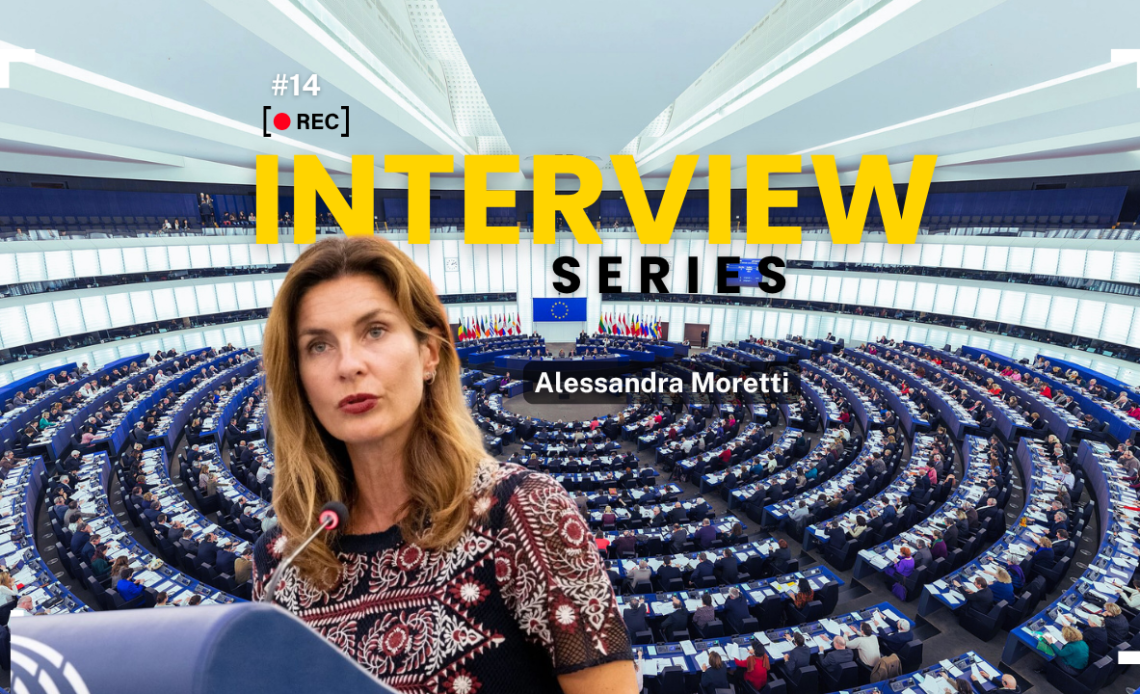
ASSEDEL had the opportunity to interview Alessandra Moretti, Member of the European Parliament, on pressing issues related to women’s rights. During the discussion, Moretti shared her perspective on the My Voice, My Choice initiative and the European Commission’s response, highlighted the crucial role of education in preventing gender-based violence, and underlined emerging challenges linked to technological developments.
The Commission’s Response to My Voice, My Choice
Moretti emphasized the dual implications of the European Commission’s response. On the one hand, making funds available to support women who need to travel abroad to access abortion services represents a significant step forward, as it acknowledges the issue at the European level. On the other hand, leaving the allocation and use of these funds to individual Member States risks undermining the initiative’s effectiveness, as governments may choose not to prioritize or implement such measures.
She also underlined the implications of this framework in Italy, where abortion rights are increasingly under pressure. This is due in part to the growing number of conscientious objectors among healthcare professionals, as well as the influence of pro-life movements, which are present even within public institutions.
Education as a Tool to Prevent Gender-Based Violence
According to Moretti, education is one of the most powerful tools for preventing gender-based violence. She argued that comprehensive sexual education should be made mandatory in schools, noting that perpetrators of violence against women are often young men.
Moreover, education should extend beyond schools to include the training of police officers and members of the judiciary. This is essential to prevent instances of secondary victimization, ensuring that victims are treated with sensitivity and professionalism throughout legal and institutional processes.
New Forms of Gender-Based Violence
Finally, Moretti addressed the rise of technology-facilitated gender-based violence, a phenomenon that is becoming increasingly widespread, particularly among younger generations. Despite the growing number of victims, this form of violence often remains poorly understood or underestimated by authorities.
She stressed the need for states to adopt proactive measures, including stronger preventive strategies and appropriate sanctions, to effectively combat this emerging threat. If left unaddressed, such forms of violence risk discouraging young women from pursuing public roles, including careers in politics.
ASSEDEL, based in Strasbourg and committed to the promotion of human rights and European values, continues to follow and shed light on developments that shape the future of European democracy and international relations.
Watch the full interview on our YouTube channel!