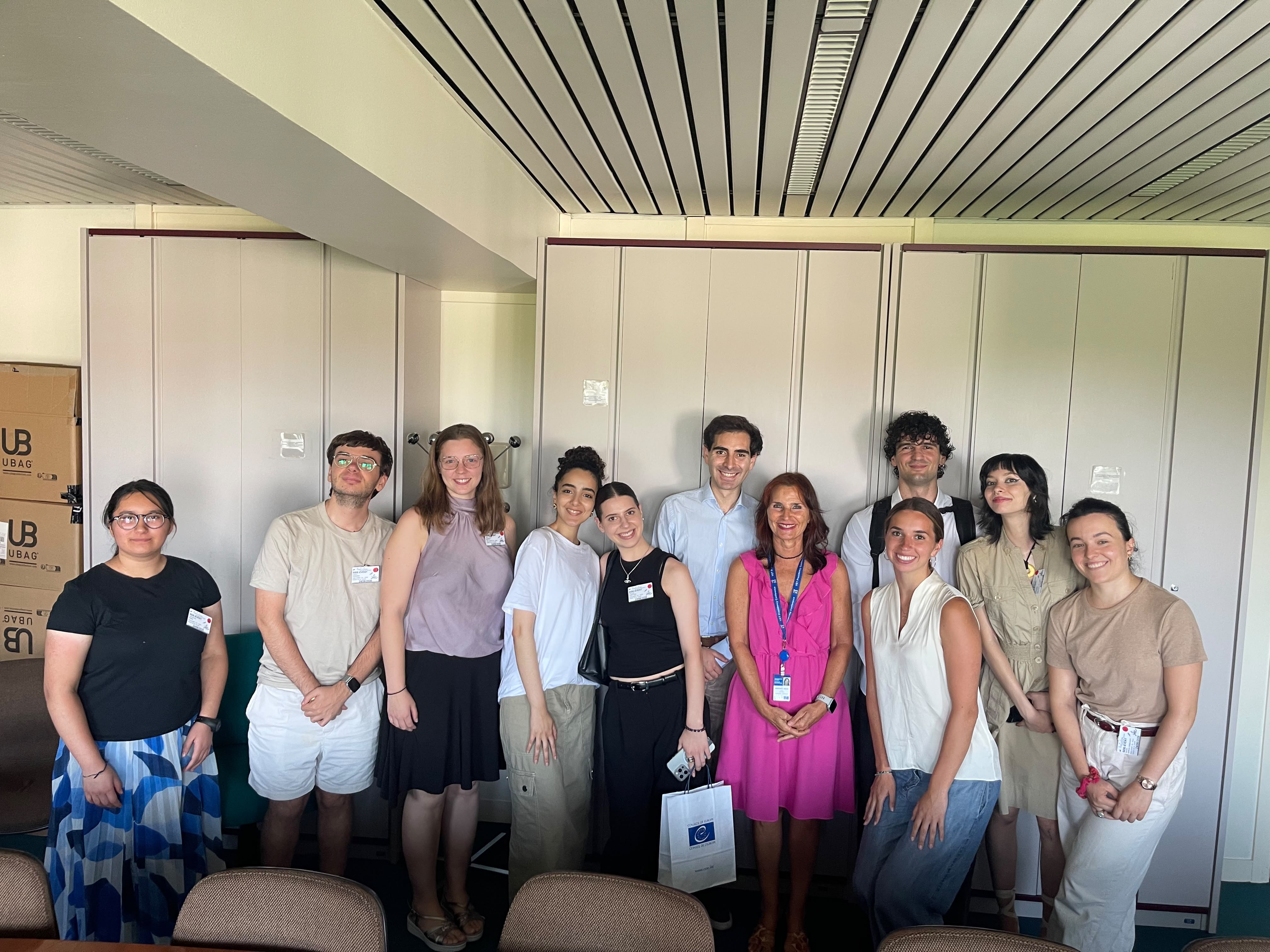
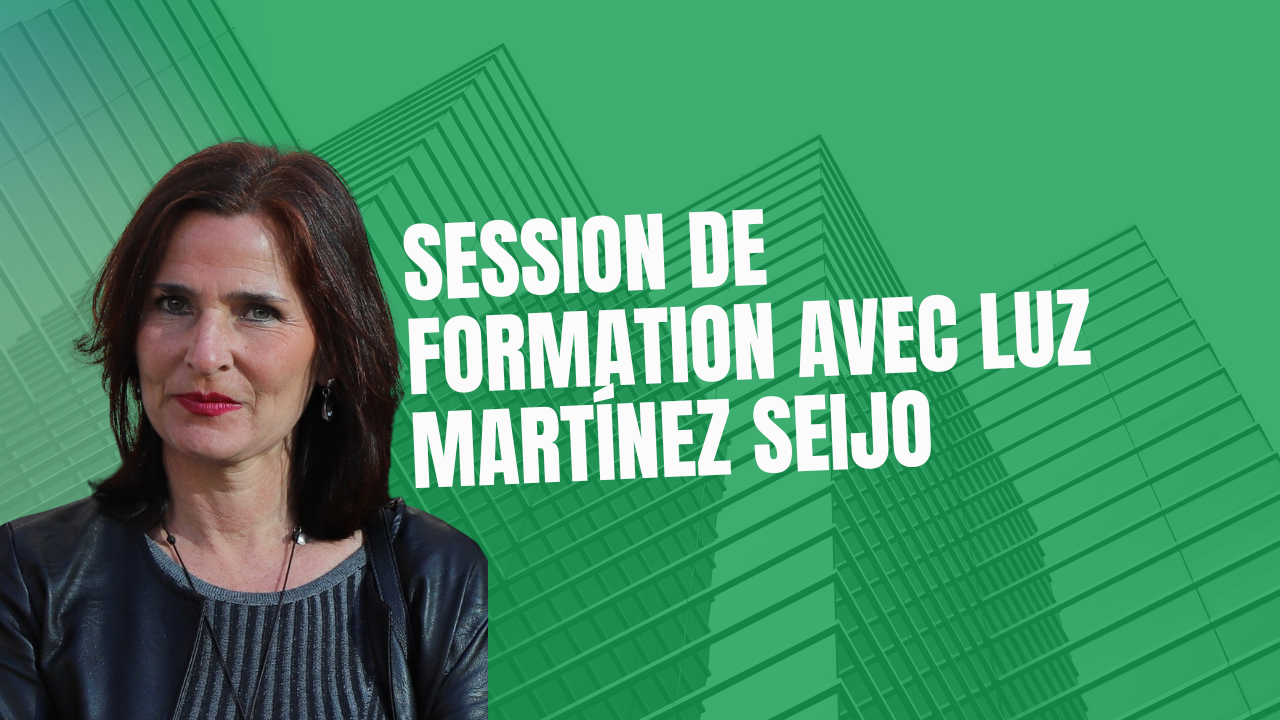
Lors de la récente session de l'Assemblée parlementaire du Conseil de l'Europe (APCE), nous avons eu l'opportunité d'assister à une session de formation consacrée aux violences fondées sur le genre, animée par Mme Luz Martínez. Cette intervention s'est appuyée sur son expertise en sa qualité de Rapporteure générale sur la violence à l'égard des femmes, éclairée notamment par sa récente mission d'observation du processus électoral en Arménie. Elle a permis de dresser, à l'intention des participants, un panorama des ressources existantes ainsi que des défis persistants en matière de protection des femmes à l'échelle européenne.
Mme Martínez a souligné que les violences fondées sur le genre constituent une forme de violence structurelle qui frappe de manière disproportionnée les femmes du seul fait qu'elles sont femmes. Si elles sont fréquemment instrumentalisées comme arme politique dans les situations de conflit armé, elles représentent également une menace grave pour la démocratie et les droits humains au sein de sociétés qui, en apparence, semblent pacifiées. Ancrée dans des inégalités historiques profondes, cette forme de domination, à la fois insidieuse et persistante, doit être appréhendée non seulement comme une violation des droits humains, mais également comme un enjeu majeur de santé publique.
Bien que les normes patriarcales et sexistes demeurent une constante au sein de nos sociétés, les définitions juridiques des violences fondées sur le genre et des agressions sexuelles varient considérablement d'un État membre du Conseil de l'Europe à l'autre. La session a mis en exergue le fait que la sécurité, les libertés fondamentales et les mesures de protection garanties par l'État restent soumises à des disparités fondées sur le genre. Ces asymétries normatives engendrent des lacunes majeures en matière de protection juridique et d'établissement des responsabilités, compromettant ainsi la pleine garantie de l'égalité des droits et d'un accès effectif à la justice pour les personnes survivantes.
Il a en outre été rappelé aux participants que le genre ne saurait être appréhendé de manière isolée. D'autres caractéristiques (notamment l'orientation sexuelle, les convictions religieuses, l'origine ethnique, le handicap, le statut migratoire ou le lieu de naissance) peuvent s'entrecroiser et engendrer des formes multiples de discrimination. Ces inégalités imbriquées façonnent de manière différenciée l'expérience qu'ont les individus des violences ainsi que leur autonomie corporelle, soulignant dès lors la nécessité absolue d'adopter une approche intersectionnelle dans l'élaboration des politiques publiques et des mécanismes d'accompagnement.
La lutte contre les violences fondées sur le genre exige une mobilisation à tous les échelons de la société. Les axes relatifs à la prévention, au repérage et à la prise en charge doivent se déployer aussi bien dans le système éducatif et le milieu professionnel, que s'étendre à la sphère privée, aux structures de soins et à l'institution judiciaire. L'accomplissement d'avancées tangibles requiert une volonté politique affirmée, l'allocation de ressources adéquates, ainsi qu'une coopération pérenne entre les pouvoirs publics et la société civile.
Une attention particulière a été accordée à l'influence croissante des réseaux sociaux, espace où s'affrontent de puissants intérêts économiques et politiques en vue de façonner l'opinion publique. À cet égard, Mme Martínez s'est référée aux travaux de recherche de Neil Datta, qui documentent la manière dont des réseaux transnationaux, bénéficiant de financements massifs, appuient des campagnes visant à provoquer un recul sur des décennies d'avancées en matière de droits sexuels et reproductifs à l'échelle européenne. Ces dynamiques illustrent de manière probante que la lutte en faveur de l'égalité de genre se déploie désormais inéluctablement au sein de la sphère numérique.
Les échanges ont également mis en exergue plusieurs défis majeurs. En 2022, à l'échelle mondiale, près de la moitié des femmes victimes d'homicide volontaire ont été tuées par leur partenaire intime ou un membre de leur famille. Or, à ce jour, moins d'une dizaine d'États membres du Conseil de l'Europe disposent d'une incrimination ou d'une qualification juridique spécifique pour le féminicide. Les participants ont souligné l'impératif d'établir des normes communes pour la reconnaissance du féminicide, d'améliorer la collecte de données et de garantir un meilleur établissement des responsabilités, tout en consolidant les dispositifs de protection et d'accompagnement destinés aux victimes et aux personnes survivantes.
The Istanbul Convention remains the Council of Europe’s most comprehensive legal framework for preventing and combating violence against women and domestic violence. Current priorities include
promoting consent-based definitions of rape, advancing a shared understanding of femicide, and strengthening comprehensive sexuality education as a tool for prevention and equality.
Enfin, la session de formation a souligné que l'instauration d'un changement pérenne requiert l'implication active des hommes et des garçons. L'éducation, la culture et le débat public jouent tous un rôle prépondérant dans la déconstruction des stéréotypes préjudiciables et dans l'émergence de nouveaux récits fondés sur l'égalité, le respect et la responsabilité partagée.