

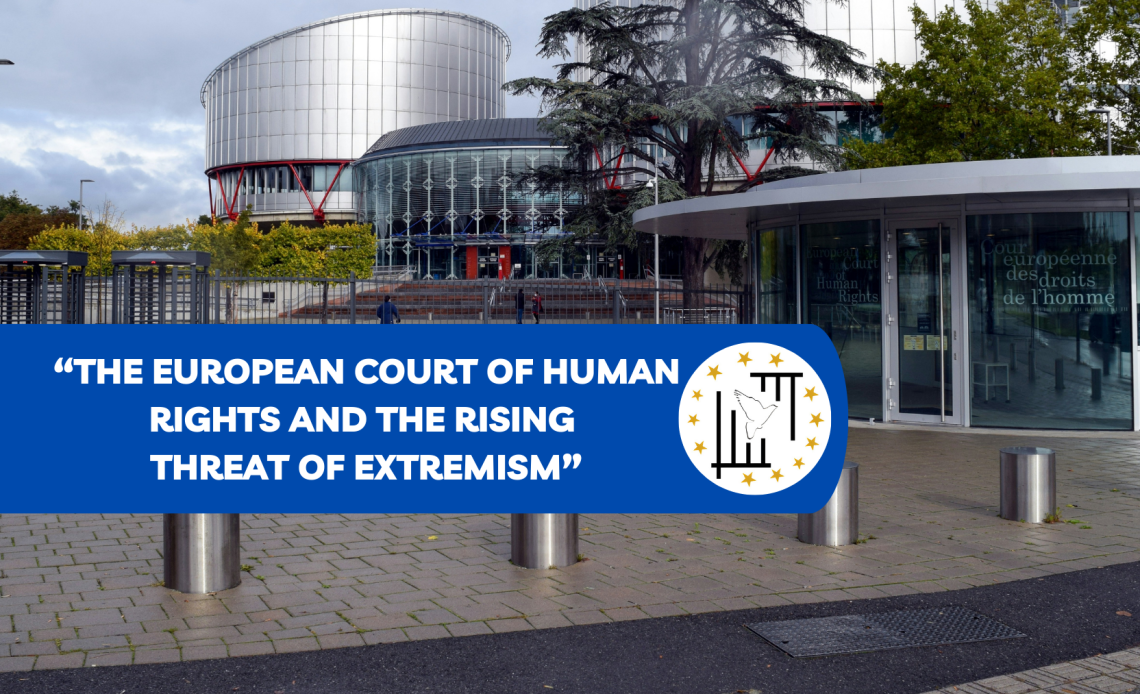
Europe stands at a crossroads. Extremist political parties are no longer isolated movements: they’re increasingly winning the electorate. Every election serves as a grim reminder of how far-right and ultra-nationalist ideologies are proliferating the political discourse. The stakes have never been higher, and the European Court of Human Rights (ECtHR) finds itself at the frontline, guarding the very foundation of democracy.
This report delves into the pivotal role the ECtHR plays in regulating extremist political parties under the European Convention on Human Rights (ECHR). With provisions like Article 11 (freedom of assembly and association), the Court has set legal boundaries for political expression. Landmark rulings such as Refah Partisi v. Turkey, Herri Batasuna v. Spain, and Vona v. Hungary expose the fragile tension between upholding fundamental freedoms and defending democratic values. But as the extremism contagion spreads, one burning question persists: Is our legal framework enough to halt the rise?
As we navigate through the digital age, the internet and social media have become a catalyst for radicalization, with hate speech flowing. The political discourse is being polarized and manipulated. Movements once considered unthinkable are now gaining traction. This report explores how modern extremist parties have reinvented themselves, adapting to new rhetoric.
Yet, are legal measures enough to counter extremism? The fight for democracy transcends the courtroom; it demands a shift in societal consciousness. Legal frameworks alone might not be enough and Europe requires a collective reckoning with a societal response. How can Europe stand firm against rising extremism if its rulings seem obsolete and its social responses remain apathetic?
As these extremist parties test the very limits of political expression, the future of European democracy hangs precariously in the balance. Can existing legal frameworks protect democratic norms, or are they already failing to keep pace with the rise of radical movements? This report offers an urgent analysis of these crucial issues, compelling readers to confront the true cost of inaction in the face of extremism.
🔗 To read the full report, click here.