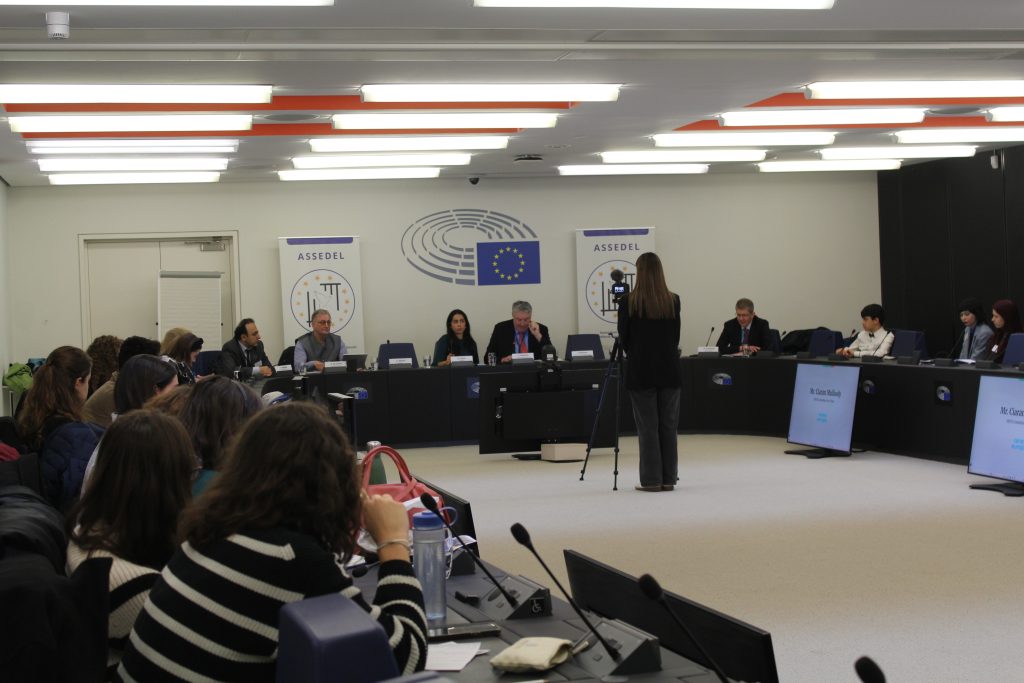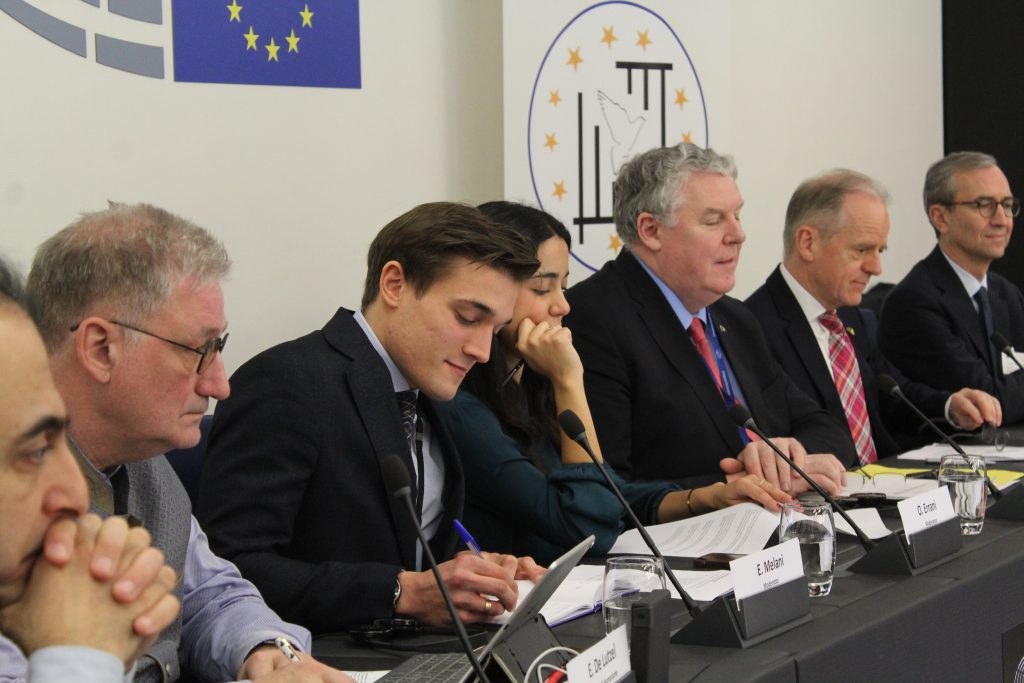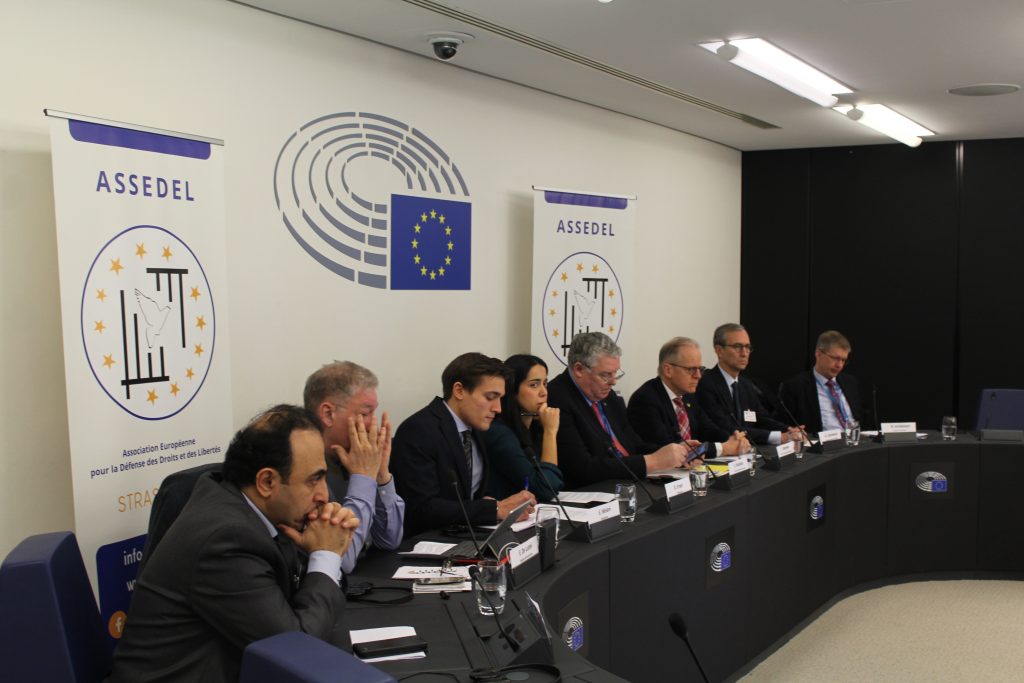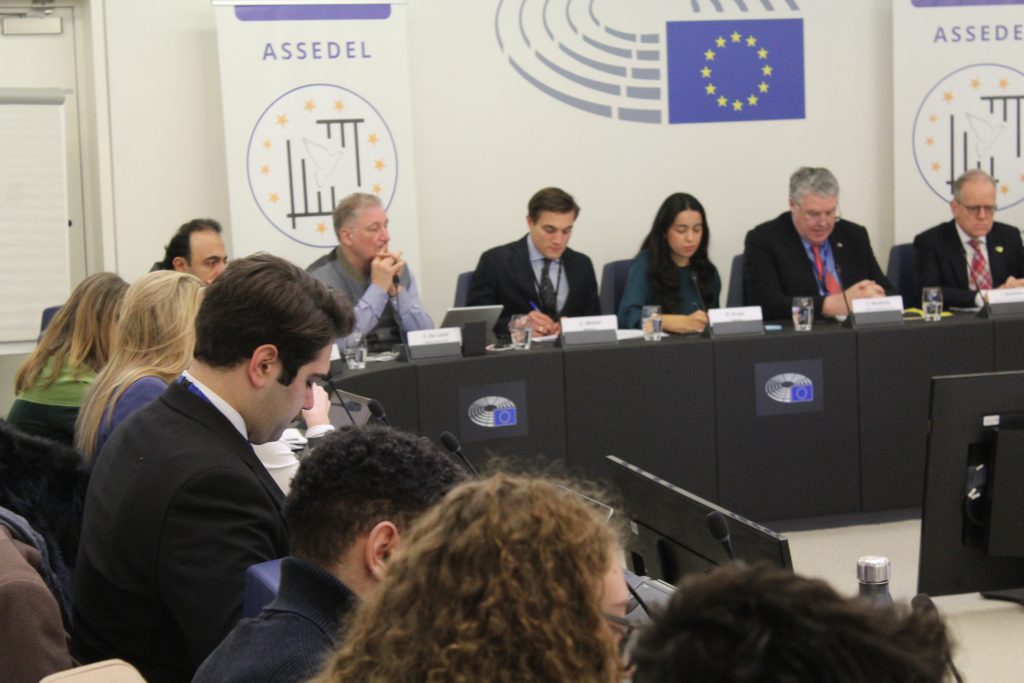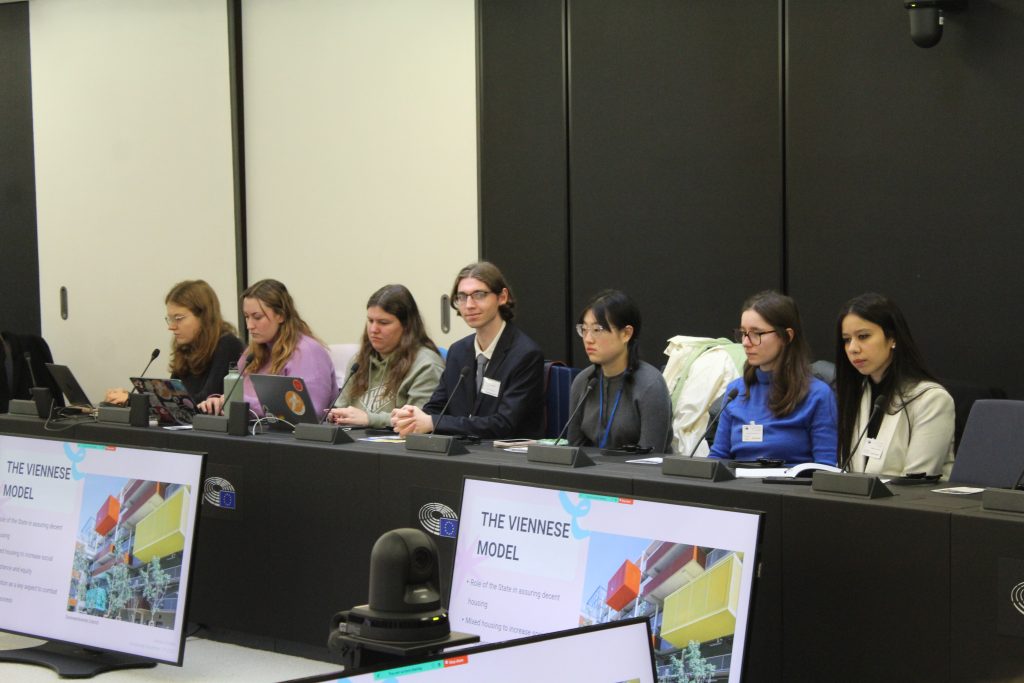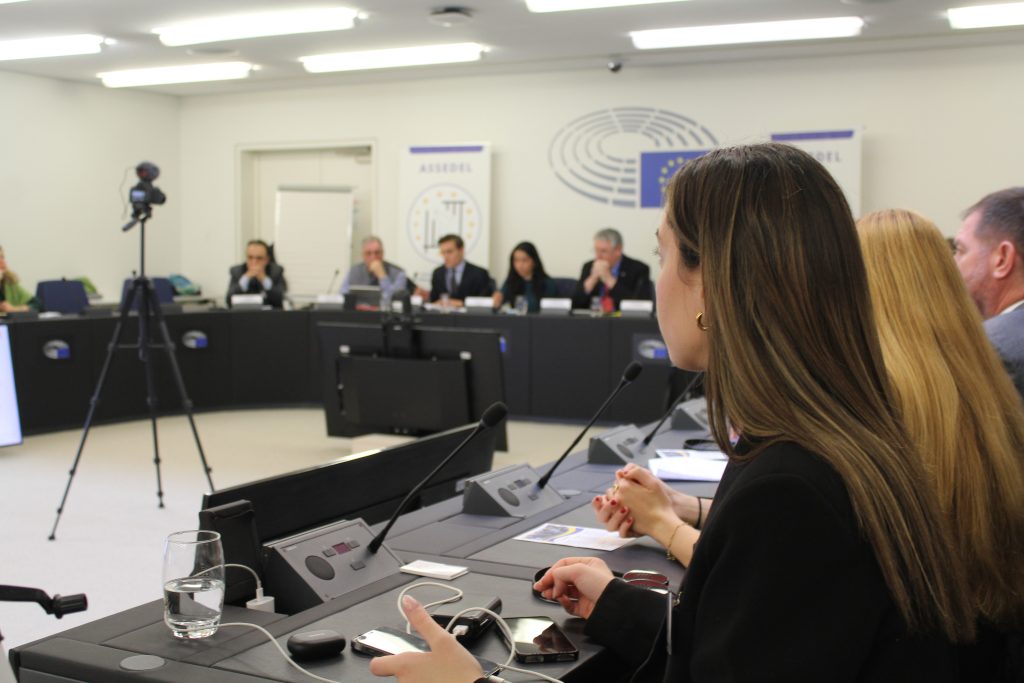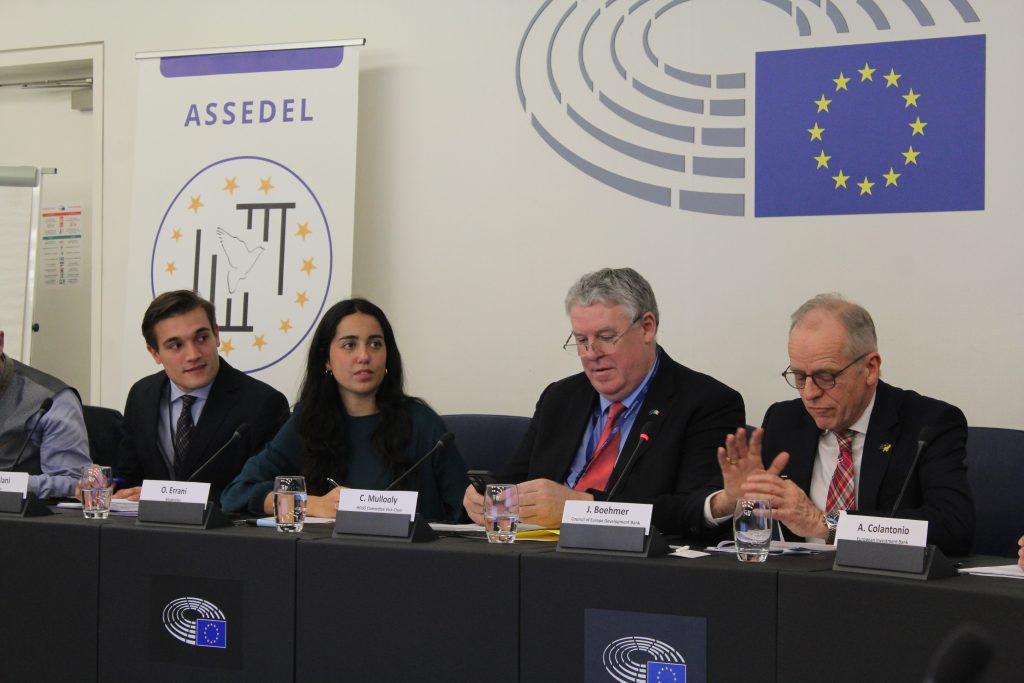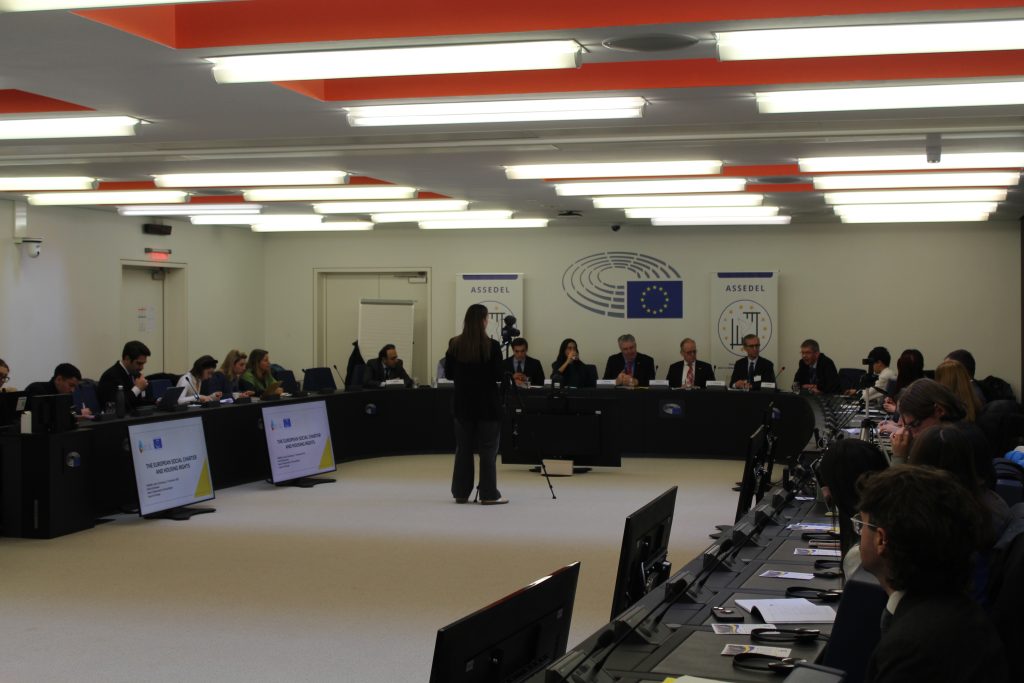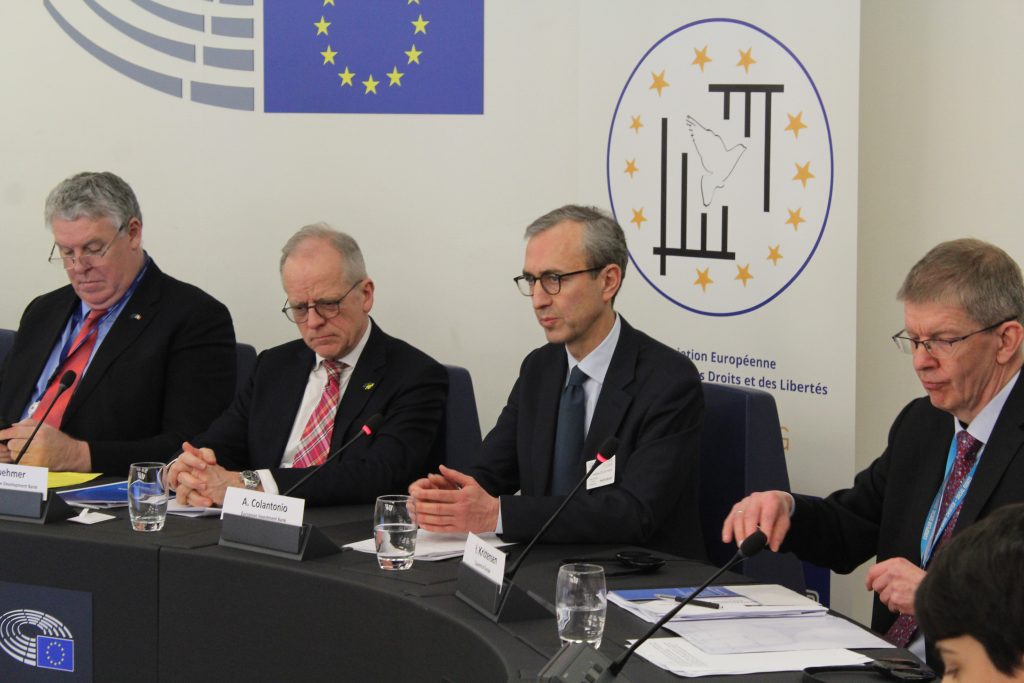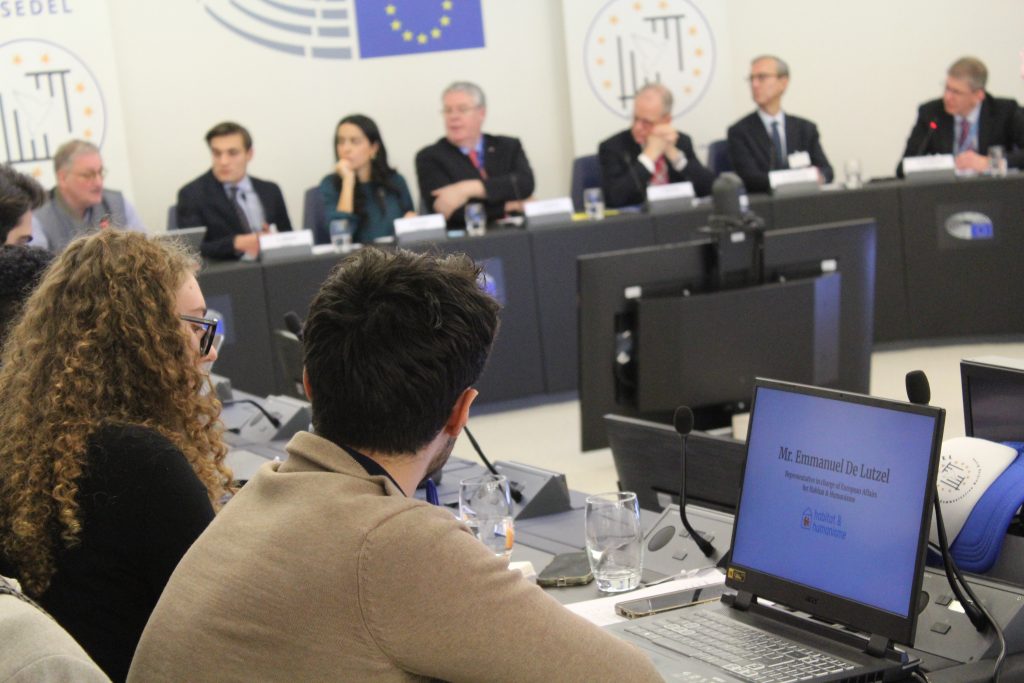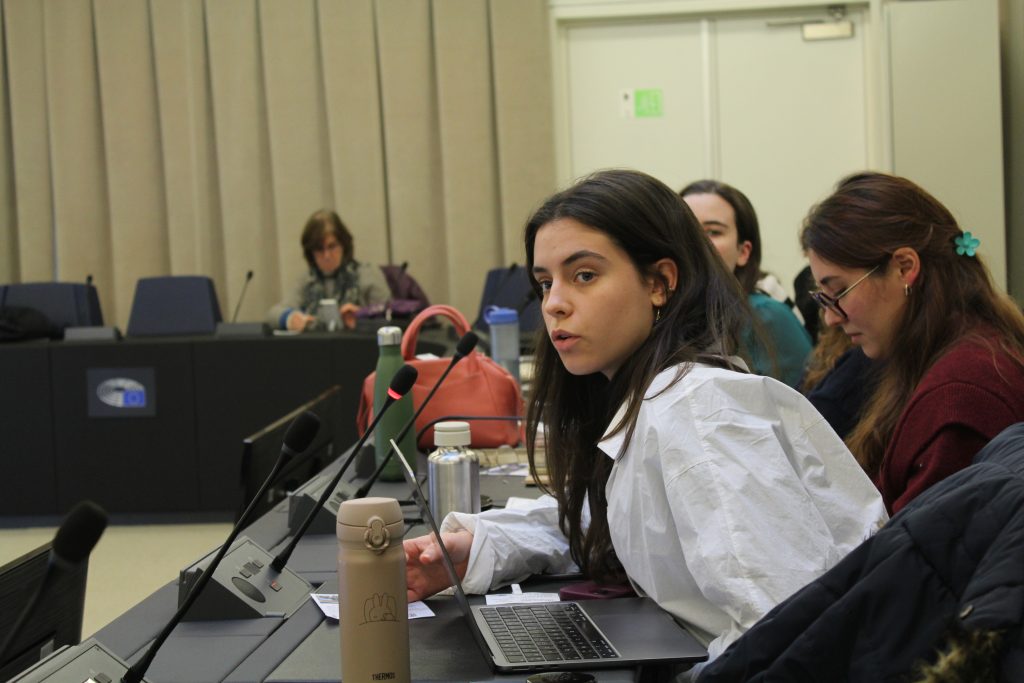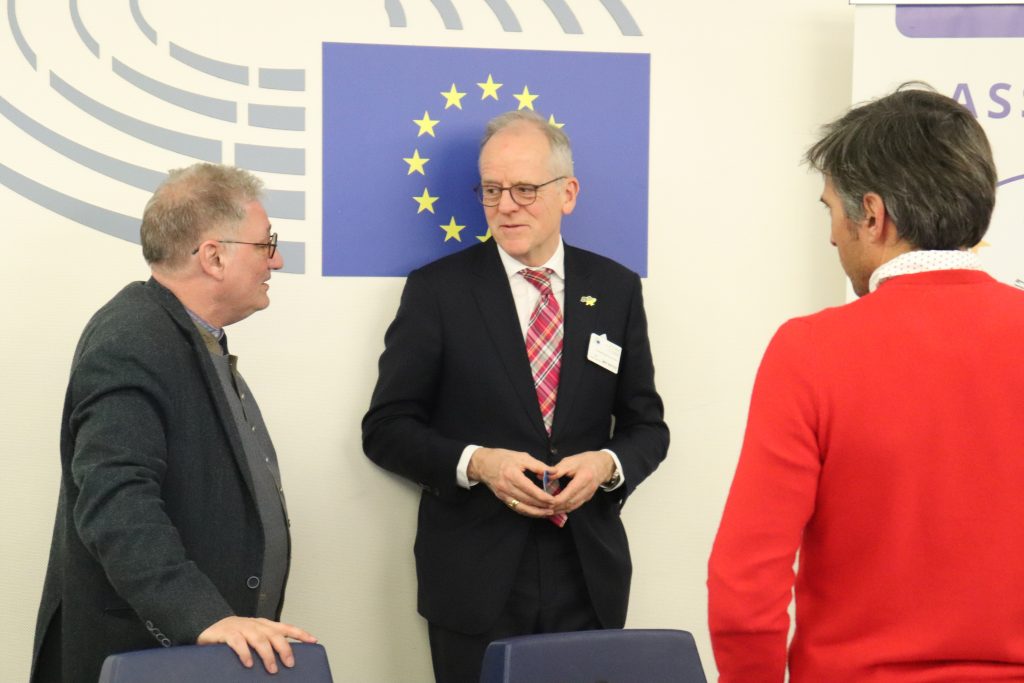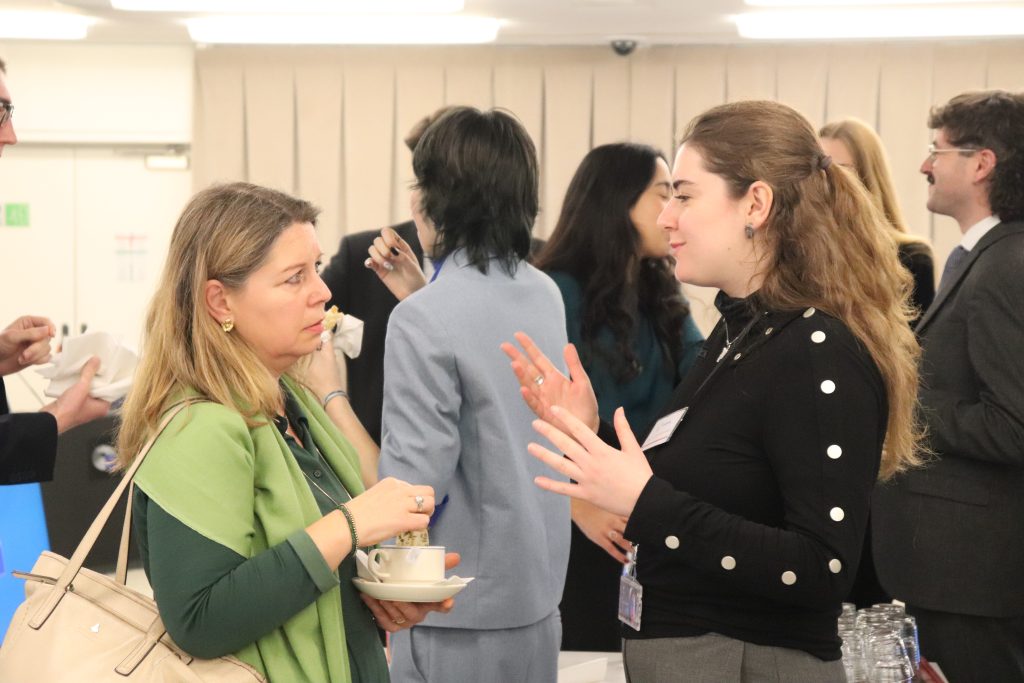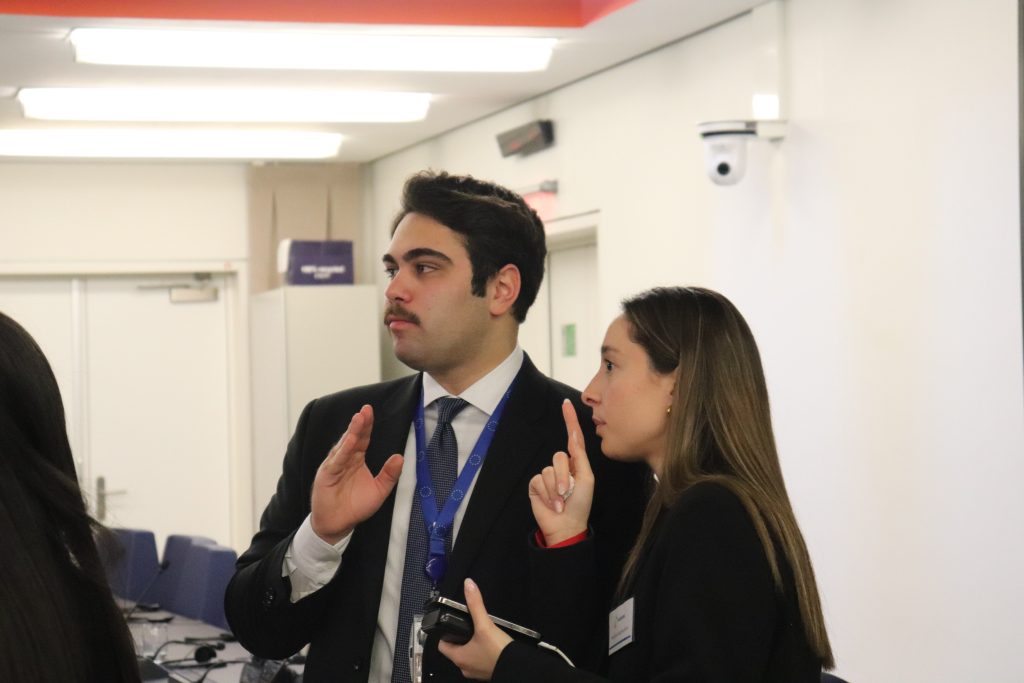

We are proud to share that ASSEDEL’s Panel Discussion, “The Housing Crisis: Social Impact and Policy Implications”, took place on Wednesday, December 17th at the European Parliament in Strasbourg, co-hosted by MEP Ciaran Mullooly (Renew Europe), Vice-chair of the HOUS Committee at the European Parliament. The event aimed to analyze the current challenges and possible solutions to the housing crisis in Europe through a social and human-rights oriented perspective, bringing together policymakers, institutional representatives, civil society actors, and financial institutions. The panel discussion addressed housing not merely as a market issue, but as a fundamental social and human rights challenge, with particular emphasis on young people, vulnerable groups, and the long-term sustainability of housing systems across Europe. In particular, the speakers highlighted the structural nature of the crisis, characterised by insufficient supply, rising costs, fragmented national policies, and weak implementation of existing legal frameworks at Member State level.
We were honoured to host some leading experts in the field.
Intervention by Ciaran Mullooly: Housing Affordability and Policy Fragmentation
Ciaran Mullooly is an Irish Member of the European Parliament from the Renew Europe group. During his intervention, MEP Mullooly underlined the growing reality of people not owning homes, not expecting to ever own one, and living in precarious or inadequate housing conditions. He highlighted key issues, including a structural imbalance between housing needs and supply, new housing that is largely unaffordable for average- and low-income households, and extended waiting lists for social housing.
Mullooly further stressed that national housing policies are often constrained by short political cycles, leading to fragmented strategies and insufficient action. While legislative frameworks exist at EU and national levels, their implementation by Member States remains a major weakness.
Intervention by Aurora Floridia: Housing as a Fundamental Human Right
Aurora Floridia, Italian Member of the Parliamentary Assembly of the Council of Europe and author of “Analysis and guidelines to guarantee the right to housing”, framed housing explicitly as a universal human right, rooted in international law and the European Social Charter, yet described it as “one of the most neglected rights of our time”. Too often, housing is treated primarily as a commodity or financial asset, rather than as a social good.
Floridia presented three key pillars of the Resolution 2626: (1) an assessment of the current housing situation in Europe, (2) a strong international legal framework, (3) identification and exchange of good practices to guide effective housing policies. Examples of good practices included the Viennese social housing model and the Vauban district in Freiburg, both of which illustrate how housing policy can integrate affordability, social inclusion, and sustainable mobility.
PACE calls on the member states of the Council of Europe to take immediate action, including treating housing as a human right rather than a commodity, investing in social and affordable housing, introducing and enforcing rent regulation, and ensuring access to sustainable and adequate housing for vulnerable households.
Intervention by Johannes Boehmer: Financial Instruments and Regional Differences
Johannes Boehmer, Vice-Governor for Social Development in the Council of Europe Development Bank (CEB) explained the context-specific and regional nature of housing challenges across Europe and the corresponding need for tailored policy solutions. He underlined the CEB’s mission to support social and affordable housing initiatives in member states by enhancing social inclusion and resilience to ensure that no group is excluded.
Referring to the Market Gap Analysis “Social and Affordable Housing in Europe”, he stressed the distinction between social housing, which targets the lowest-income groups, i.e. first-quartile income earners, and affordable housing, aimed at households with below-average income, i.e. second-quartile income earners. Further, he noted clear structural and economic regional differences, with Southern Europe investing little in social housing while focusing more on affordable housing, and Central and Eastern Europe continuing to face challenges stemming from mass housing privatization in the past.
The CEB plays a key role in financing high-impact social projects that enhance inclusion and resilience and will conclude a solution for the most vulnerable groups. However, Boehmer pointed to challenges such as the lack of private sector interest in low-income housing, which often means grants are needed to make projects viable, and the fact that many municipal housing projects are too small to attract development bank funding. He stressed the importance of working with aggregators at national or international level to scale up interventions.
Intervention by Henrik Kristensen: The European Social Charter and Housing Rights
Henrik Kristensen is the Head of the Department of Social Rights in the Directorate of Social Rights, Health and Environment at the Council of Europe. He highlighted that the European Social Charter, binding on 42 out of 46 Council of Europe member states, including all EU Member States, forms a detailed and authoritative case law on different aspects on the right to housing.
Article 31 constitutes the lex specialis on housing with three core obligations: (1) promote access to housing of an adequate standard, (2) prevent and reduce homelessness, (3) ensure housing affordability.
Structural causes of the crisis were also discussed, including an overemphasis on private home ownership, which leads to insufficient housing stock, and energy poverty. Repeated lack of access to electricity or heating constitutes a violation of the Charter and is increasingly central to the housing crisis.
Intervention by Andrea Colantonio: the Role of the EIB Platform
Andrea Colantonio, Lead Economist in the Urban Development Division of the European Investment Bank (EIB), presented the first EU-level housing action plan, structured around three key priorities. A central focus is supporting the renovation of the existing housing stock, much of which is ageing and left vacant because renovation costs are too high, alongside measures to strengthen housing supply.
The plan also highlights innovation as an often-overlooked challenge, noting that the construction sector has been slow to modernise. To address financing gaps, the EIB aims to co-finance EU funds, including cohesion funds, in support of sustainable and affordable housing. In addition, a dedicated platform will assist project promoters in the construction sector by providing guidance, visibility, and access to financing.
However, financing alone is not sufficient. Colantonio underscores the need for strong institutions, and the involvement of financial intermediaries to ensure successful implementation.
Intervention by Emmanuel De Lutzel: A Civil Society Perspective
Representing civil society, Emmanuel De Lutzel, Representative in charge of European Affairs for Habitat & Humanisme, expressed mixed feelings regarding the EU affordable housing plan.
On the positive side, he noted that the plan represents a concrete step towards EU-level coordination, explicitly recognizes homelessness as a policy priority, and encourages the exchange of good practices while fostering the development of a common policy language.
However, he also identified several critical gaps. The plan makes no mention of the social economy or third sector, despite their significant role, innovative capacity, and employment of roughly 6% of the European workforce. It also fails to include citizens as active contributors to housing solutions. Additionally, the absence of a dedicated budget raises concerns that the plan may remain largely declaratory rather than operational. There is also a lack of clear timeline, targets, or implementation framework, and mechanisms for involving the third sector in the future remain unclear.
In sum, the discussion underscored that Europe’s housing crisis is a complex, systemic, and rights-based challenge. While progress is being made through EU-level initiatives, financial instruments, and good practice exchanges, significant gaps remain in policy implementation, affordability, and inclusion of civil society. The discussion emphasized the urgent need to treat housing as a human right, ensure access to social and affordable housing, and develop sustainable, future-proof solutions that address regional disparities, climate impacts, and the needs of vulnerable groups. The event reinforced the importance of collaboration among policymakers, institutions, and citizens to create a more equitable and resilient housing landscape across Europe.