

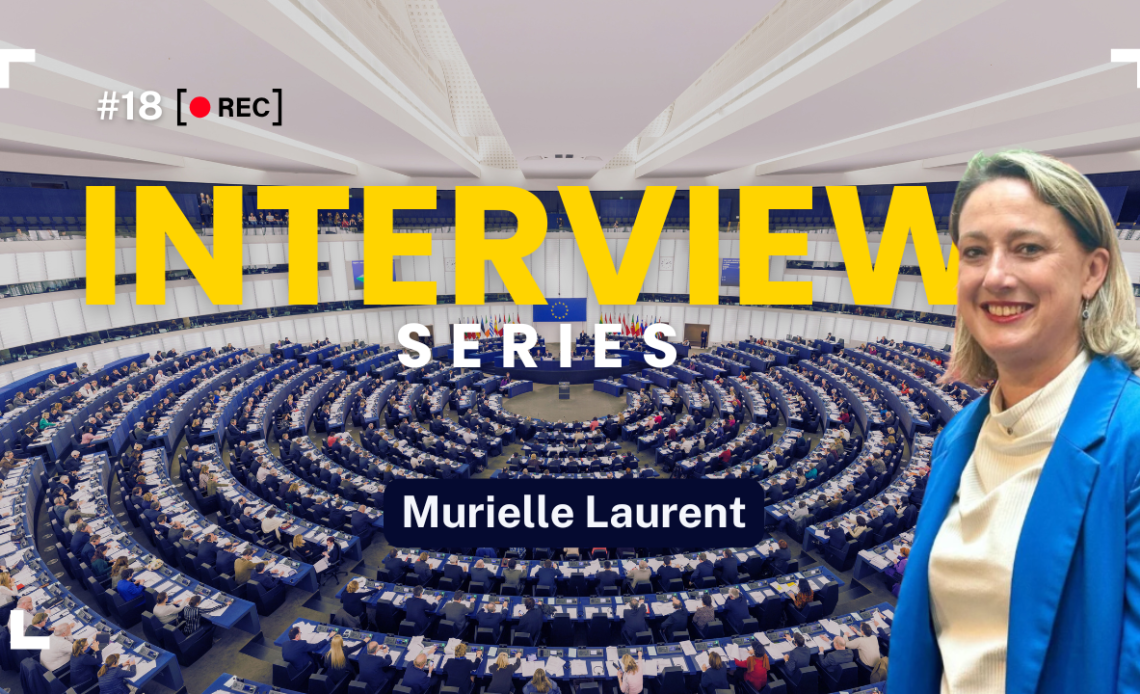
Dans le 18e épisode de la série d'entretiens de l'ASSEDEL, l'eurodéputée Murielle Laurent analyse la proposition de règlement de l'Union européenne relatif au retour ainsi que ses incidences potentielles sur les droits des personnes migrantes, les politiques de rétention et la protection des personnes en situation de vulnérabilité.
Tout au long de l'entretien, Mme Laurent fait valoir que les migrations sont de plus en plus appréhendées à travers une approche sécuritaire et répressive à l'échelle de l'Union européenne. Selon elle, les débats politiques entourant ce règlement témoignent d'une tendance de fond consistant à criminaliser les migrations et à présenter les personnes migrantes comme une source d'insécurité.
L'instrumentalisation politique des migrations
Mme Laurent estime que les préoccupations sécuritaires sont instrumentalisées, tout particulièrement par les forces politiques de droite et d'extrême droite, afin de légitimer l'adoption de mesures migratoires de plus en plus restrictives. Elle souligne en outre que cette approche n'est pas l'apanage d'une seule famille politique ni d'un seul pays, mettant en évidence le durcissement des politiques migratoires à l'œuvre au sein de plusieurs gouvernements européens.
D'après Mme Laurent, la question migratoire est aujourd'hui érigée en bouc émissaire, devenant systématiquement la première cause incriminée pour justifier des difficultés sociopolitiques plus vastes. Toutefois, elle s'inscrit en faux contre le postulat selon lequel une réduction des flux migratoires permettrait de résoudre de manière mécanique les défis auxquels sont confrontées les sociétés européennes.
Elle cite en exemple les mesures de régularisation menées en Espagne pour illustrer une approche alternative. Ces dispositifs, précise-t-elle, s'adressent à des personnes résidant d'ores et déjà sur le territoire et visent à leur octroyer un statut juridique clarifié, bien plus qu'à susciter l'afflux de nouveaux arrivants.
Des restrictions sans précédent aux droits des personnes migrantes
Mme Laurent qualifie plusieurs dispositions actuellement à l'étude d'une sévérité sans précédent. Au nombre de celles-ci figurent l'allongement de la durée de rétention pouvant atteindre 24 mois, de même que la possibilité de placer en centre de rétention des mineurs non accompagnés ainsi que des familles avec enfants.
Loin de considérer cette proposition comme un simple retour aux politiques antérieures, elle soutient qu'elle instaure un cadre nouveau, nettement plus coercitif. Selon elle, ces mesures risquent d'affaiblir le principe selon lequel les droits humains doivent s'appliquer de manière universelle, indépendamment du statut migratoire de la personne.
Elle remet également en question le postulat selon lequel un durcissement de la réglementation aura un effet dissuasif sur les personnes tentant de rallier l'Europe. Les populations sont contraintes de quitter leur pays d'origine en raison d'une multiplicité de facteurs, explique-t-elle, au rang desquels figurent les persécutions politiques, les conflits armés, l'insécurité et l'aggravation des conséquences du dérèglement climatique.
L'adoption de politiques plus restrictives n'est par conséquent guère susceptible d'éradiquer les causes profondes des migrations. Au contraire, alerte Mme Laurent, ces mesures risquent de pousser les personnes en exil à emprunter des routes toujours plus périlleuses et d'accroître les risques auxquels elles sont exposées tout au long de leur parcours migratoire.
La détention d'enfants et de familles
Une part essentielle de l'entretien est consacrée au traitement des enfants, des mineurs non accompagnés et des familles. Interrogée sur la capacité de ce règlement à garantir une protection suffisante à ces groupes, Mme Laurent répond que la rétention administrative ne saurait en aucun cas être considérée comme une forme de protection. « On ne protège pas des familles et des enfants en les enfermant dans des centres de rétention », fait-elle valoir. Elle plaide au contraire pour des politiques fondées sur le soutien, l'accompagnement et des procédures de retour respectueuses des circonstances individuelles et de la dignité humaine.
Mme Laurent fait également part de sa vive préoccupation quant au recours de plus en plus systématique à la rétention administrative comme outil ordinaire de gestion des flux migratoires. Bien que cette mesure privative de liberté fût déjà prévue par le cadre juridique antérieur, l'allongement de sa durée tel qu'envisagé constitue, à ses yeux, une escalade majeure.
Elle remet par ailleurs en question l'efficacité d'une telle mesure, faisant valoir que l'allongement de la durée de rétention ne se traduit pas nécessairement par une augmentation des retours effectifs et risque, dans la pratique, de rendre les procédures d'éloignement plus complexes.
Un débat politique et éthique
L'entretien s'achève sur l'analyse de l'argument selon lequel le soutien accordé à ce règlement reposerait sur une approche pragmatique, dépassant les clivages politiques traditionnels entre la gauche et la droite. Mme Laurent rejette catégoriquement cette grille de lecture. Elle fait valoir que les décisions relatives à la rétention administrative, aux droits de l'enfant et à la dignité humaine traduisent inévitablement des valeurs et des priorités éminemment politiques.
De son point de vue, un règlement comportant des dispositions aussi restrictives et potentiellement préjudiciables ne saurait être dissocié de considérations idéologiques et de sensibilités politiques. Elle soutient que les groupes politiques attachés aux valeurs humanistes ne devraient pas cautionner une proposition qui omet de placer la dignité et les droits fondamentaux au cœur de son dispositif.
Cet échange met en lumière la tension croissante entre l'approche sécuritaire des politiques migratoires et l'attachement de l'Union européenne aux droits fondamentaux. Il soulève également des interrogations plus vastes quant à la capacité d'un durcissement des mesures de rétention et d'éloignement à apporter des réponses efficaces sans porter atteinte aux droits des personnes migrantes, des enfants et des familles.
Regardez l'interview complète sur notre chaîne YouTube ! YouTube channel.