

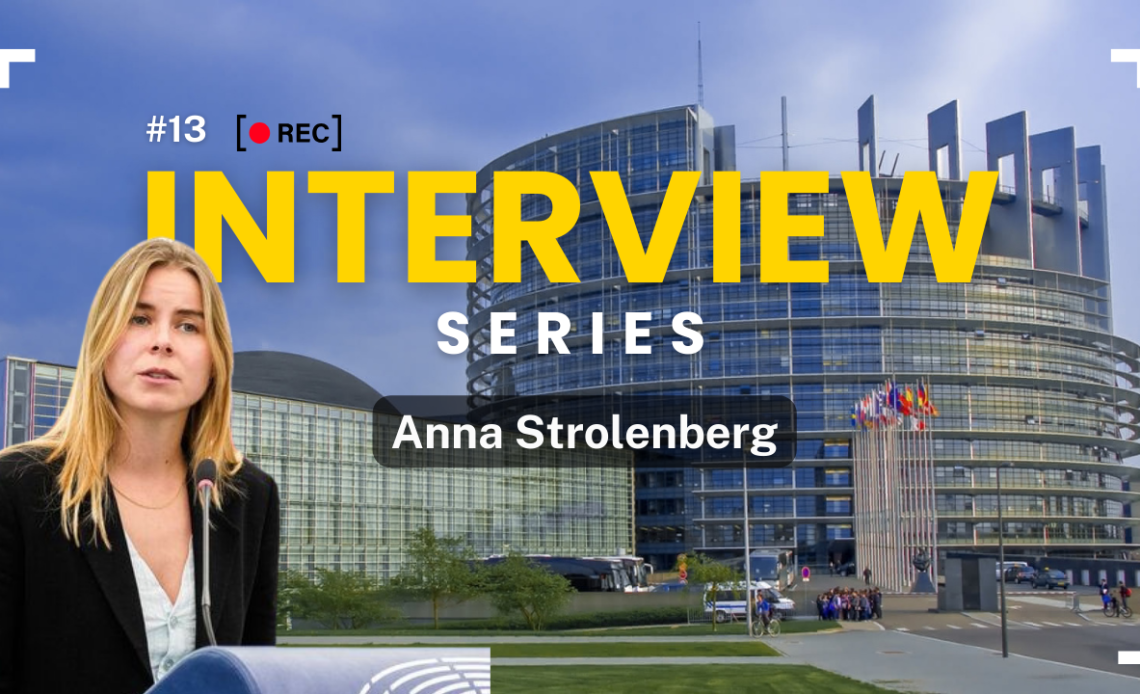
ASSEDEL s'est entretenu avec Anna Strolenberg, députée européenne, au sujet de certains des défis les plus urgents auxquels est confrontée l'égalité entre les femmes et les hommes en Europe aujourd'hui. L'entretien aborde l'efficacité des cadres internationaux tels que la Convention d'Istanbul, la lutte contre la violence sexiste et la nécessité d'intégrer une perspective de genre dans les politiques européennes en matière de climat et d'agriculture.
Renforcer la Convention d'Istanbul et la responsabilité
Strolenberg a souligné l'importance de la Convention d'Istanbul, l'un des rares mécanismes internationaux contraignants visant à lutter contre la violence à l'égard des femmes. Bien que la plupart des pays de l'UE l'aient ratifiée, elle a souligné que des lacunes subsistaient, plusieurs pays n'ayant toujours pas adhéré à ce cadre.
Elle a souligné la nécessité de renforcer l'application de la loi, appelant le Parlement européen à demander des comptes à la Commission européenne afin de garantir que les États membres adoptent et mettent en œuvre une législation adéquate. Sans définitions juridiques claires et sans protections adéquates, a-t-elle averti, la Convention ne pourra pas atteindre son plein potentiel en matière de prévention et de lutte contre la violence.
Lutter contre la violence sexiste : prévention et protection
Selon Strolenberg, la lutte contre la violence sexiste nécessite une approche globale et à long terme. L'éducation joue un rôle central, notamment pour lutter contre les normes néfastes chez les jeunes hommes et les garçons. Elle a souligné que la prévention devait commencer dès le plus jeune âge, les écoles constituant des lieux clés pour la sensibilisation et le changement culturel.
Dans le même temps, elle a souligné les lacunes structurelles en matière de protection des victimes, notamment le manque de refuges pour les femmes fuyant des situations de violence. Elle a estimé que l'UE devrait accroître son soutien financier aux États membres afin de développer ces services.
Elle a également mis en garde contre l'impact croissant de la violence en ligne, soulignant son lien direct avec les préjudices subis dans la vie réelle. Le cyberharcèlement et les intimidations en ligne peuvent dégénérer en harcèlement obsessionnel et en violence physique, faisant des espaces numériques un front de plus en plus important dans la lutte contre la violence sexiste.
L'égalité entre les sexes dans la politique climatique
Abordant la question du changement climatique, Mme Strolenberg a souligné que les femmes sont touchées de manière disproportionnée par les crises environnementales, mais qu'elles restent sous-représentées dans les instances décisionnelles. Elle a fait remarquer que les femmes ne représentent souvent qu'environ 30 % des participants aux débats sur la politique climatique.
Pour elle, une véritable intégration de la dimension de genre commence par la représentation : les femmes doivent être présentes « à la table des négociations ». Elle a également défendu l’importance de l’intégration de la dimension de genre dans l’ensemble des politiques de l’UE, mettant en garde contre une montée en puissance de la contestation politique — notamment de la part d’acteurs conservateurs et d’extrême droite — à l’encontre tant du concept que de son financement. Veiller à ce que les politiques climatiques prévoient des ressources ciblées pour les femmes, en particulier celles qui se trouvent en situation de vulnérabilité, est essentiel pour parvenir à une transition écologique véritablement juste.
Vers une Union européenne plus féministe et plus inclusive
Strolenberg s'est ouvertement prononcée en faveur d'une approche plus féministe de l'élaboration des politiques de l'UE, présentant le féminisme comme un engagement en faveur de l'égalité pour tous. Elle a fait valoir que la perspective de genre ne devait pas se limiter à des domaines politiques isolés, mais être intégrée dans tous les secteurs, notamment ceux de la migration, de l'agriculture et de la politique environnementale. Selon elle, le manque actuel d'égalité en Europe rend cette évolution non seulement souhaitable, mais nécessaire.
Soutenir les femmes dans le secteur agricole et les zones rurales
En abordant la question des inégalités en milieu rural, Mme Strolenberg a mis en lumière le rôle souvent négligé des femmes dans l'agriculture. Elle a souligné que des obstacles structurels — tels que l'accès limité à la terre et au financement — continuent de désavantager les agricultrices. Les modes de succession traditionnels, selon lesquels les exploitations agricoles se transmettent généralement de père en fils, renforcent encore ces inégalités.
Elle a plaidé en faveur d'une réforme du financement agricole de l'UE, suggérant de s'éloigner des subventions fondées principalement sur la superficie des terres. Elle a proposé à la place de soutenir des exploitations agricoles plus petites, plus diversifiées et plus durables — une approche qui profiterait indirectement aux femmes, qui sont plus susceptibles de diriger ce type d'exploitations. En alignant la politique agricole sur les objectifs de durabilité, a-t-elle fait valoir, l'UE peut à la fois promouvoir l'égalité des sexes et la résilience climatique.
ASSEDEL, basé à Strasbourg et engagé dans la promotion des droits de l'homme et des valeurs européennes, continue de suivre et d'éclairer les évolutions qui façonnent l'avenir de la démocratie européenne et des relations internationales.
Regardez l'interview dans son intégralité sur notre chaîne YouTube !