

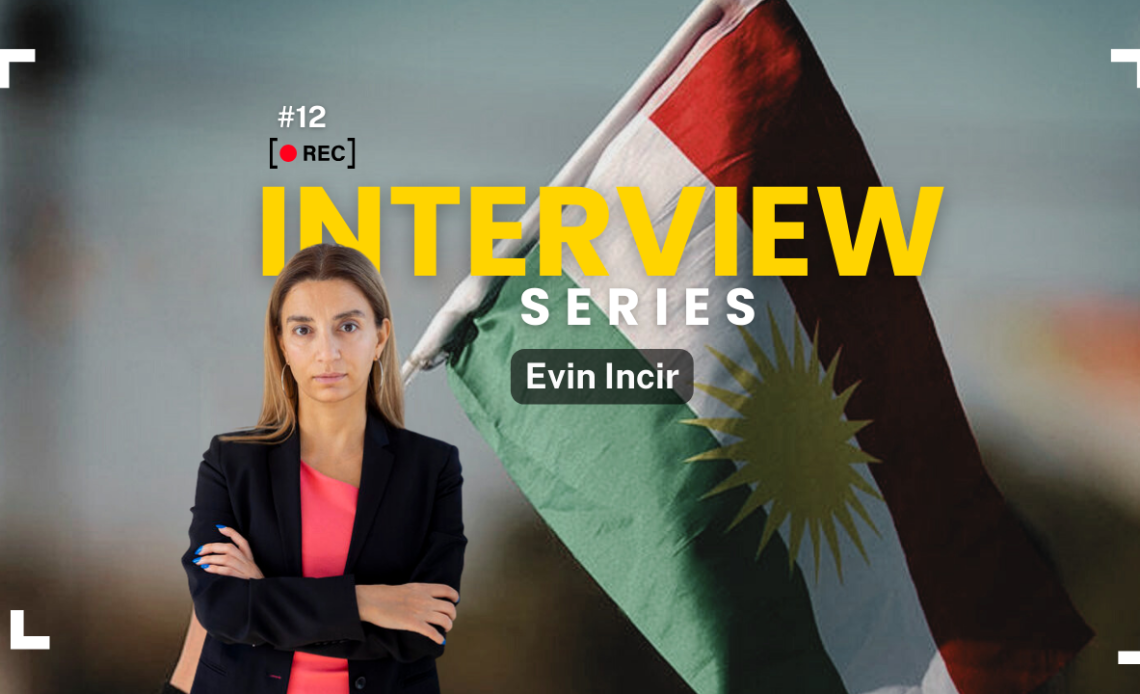
Dans un contexte de reprise des discussions sur la paix entre l’État turc et la population kurde, ASSEDEL s’est entretenu avec Evin Incir, députée au Parlement européen, au sujet des perspectives et des limites du processus de paix actuel ainsi que du rôle de l’Union européenne. Au cours de l’entretien, Mme Incir est revenue sur les échecs passés, les dynamiques politiques actuelles en Turquie et les conditions nécessaires à l’établissement d’une paix crédible et durable.
Leçons tirées des processus de paix passés
La députée européenne Incir a rappelé le processus de paix de 2013, qui comprenait un dialogue avec Abdullah Öcalan, mais qui a finalement échoué faute d'engagement politique durable. Comparant cette situation à la situation actuelle, elle s'est inquiétée du risque d'un résultat similaire pour les efforts déployés aujourd'hui, évoquant la réticence du gouvernement turc à prendre des mesures concrètes et réciproques. Tout en reconnaissant les initiatives telles que les déclarations de cessez-le-feu et les discussions parlementaires, elle a souligné que les processus de paix exigent une véritable responsabilité de la part de toutes les parties, responsabilité qui, selon elle, fait encore défaut du côté gouvernemental.
Inclusion, démocratie et réforme constitutionnelle
Selon l'eurodéputée Incir, le problème fondamental demeure l'incapacité de la Turquie à embrasser l'inclusion et les principes démocratiques. Elle a souligné la marginalisation persistante des Kurdes et d'autres minorités, notamment les Arméniens, les Syriens et les communautés chrétiennes, dont les langues, les cultures et les droits politiques ne sont toujours pas reconnus.
Elle a également critiqué les décisions passées des partis d'opposition, notamment leur soutien à la levée de l'immunité parlementaire des députés pro-kurdes, arguant que ces actions avaient affaibli les garanties démocratiques et, en fin de compte, permis une répression plus large sur l'ensemble du spectre politique.
Conditions d'un processus de paix crédible
Pour que le processus de paix devienne crédible et durable, l'eurodéputée Incir a souligné la nécessité d'une réforme constitutionnelle reconnaissant la diversité ethnique et culturelle de la Turquie et garantissant la protection des minorités. Elle a averti que la poursuite des opérations militaires contre les populations kurdes, en Turquie comme à l'étranger, sape la confiance et contredit la logique des négociations. Sans mesures concrètes dans ces domaines, elle s'est dite peu confiante quant à la possibilité pour le processus actuel d'aboutir à une Turquie véritablement démocratique et inclusive.
Le rôle de l'Union européenne
D'un point de vue européen, l'eurodéputée Incir a fait valoir que, si le gel des négociations d'adhésion à l'UE était justifié, l'Union conservait un important levier d'influence. Elle a souligné que tout accord et toute coopération avec la Turquie devaient reposer sur le respect de la démocratie, des droits humains et de l'État de droit. Elle a également appelé l'UE à dépasser toute forme de dépendance perçue envers la Turquie et à soutenir activement les forces d'opposition démocratiques et les organisations de la société civile qui œuvrent pour un avenir pacifique et inclusif.
ASSEDEL, basé à Strasbourg et engagé dans la promotion des droits de l'homme et des valeurs européennes, continue de suivre et d'éclairer les évolutions qui façonnent l'avenir de la démocratie européenne et des relations internationales.
Regardez l'interview complète sur notre chaîne YouTube ! YouTube channel!
